
Alright, now let me tell ya 'bout this thing they call a "direct expansion-type evaporator," or sometimes folks just call it a "dry-type evaporator." You see, this here evaporator is like the heart of an air conditioning or refrigeration system. Now, don’t get too tangled up with fancy words, I'll break it down real simple.
What Is a Direct Expansion-Type Evaporator?
This DX evaporator, as they like to call it for short, works by movin' heat around. Now, ya got this stuff called refrigerant that flows through it – basically a kinda liquid that grabs heat from one place and shoves it somewhere else. When it’s doin' its job, this evaporator pulls heat from where you don't want it and spits it out somewhere else, keepin' things nice and cool.
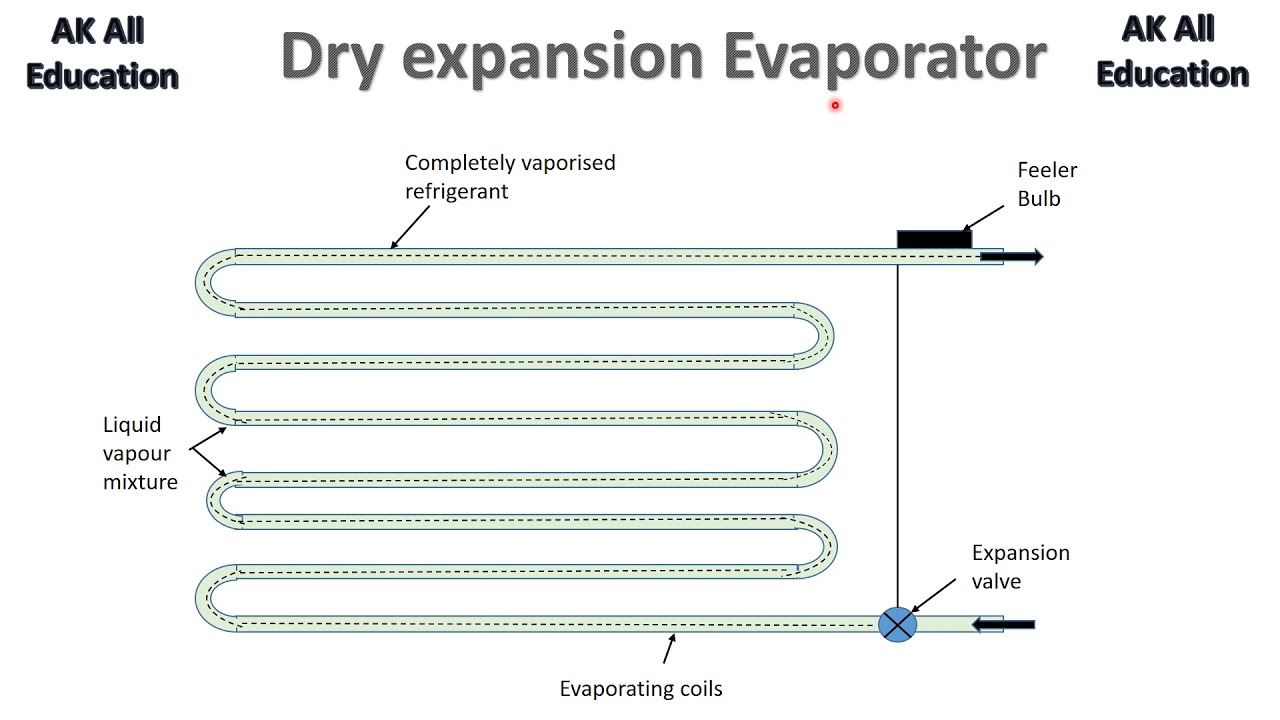
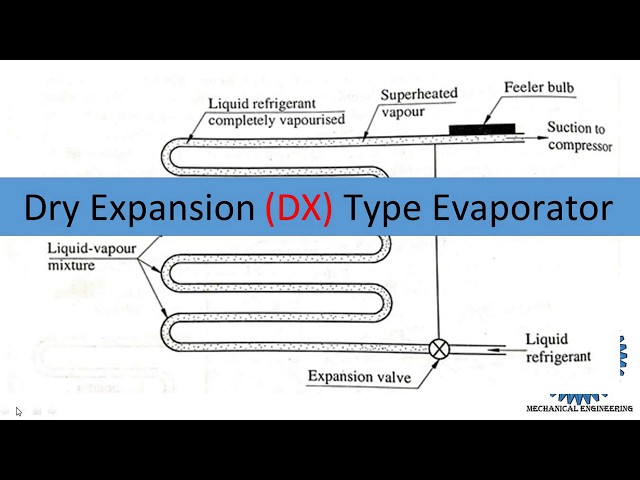
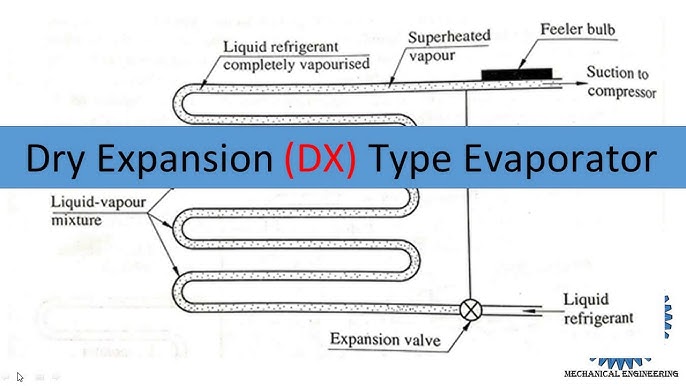
Let me paint you a picture. This DX-type evaporator coil takes in refrigerant in a state where it’s kinda mixed between a liquid and a vapor. Then, as it moves along the coil, it heats up a bit, till it leaves as a vapor – superheated, they call it. And in all that shufflin' around, it’s grabbin’ up heat from the air passin’ over it. So, end of the story, that air gets cooler, and next thing you know, your room ain’t so hot no more.
Why’s It Called a Dry-Type Evaporator?
Now, this "dry-type" name – that’s nothin' too fancy either. It’s called "dry" ‘cause by the time the refrigerant’s almost done passin' through the coil, it’s all vapor, no liquid left hangin' around. That means it's done its job right, soaking up as much heat as it could. So, a dry-type evaporator ain’t got nothin’ but vapor at the end. That’s why they slap on that name, dry-type.
How It Works in Plain Words
Imagine you got this metal coil. Now, you blow warm air over that coil, and what’s in the coil is colder than a winter’s morning. When the warm air hits it, the coil grabs up all the heat from the air. In goes warm air, and out comes cool air. Simple as pie! And that’s just what this direct expansion-type evaporator does – keeps takin' in heat and leavin' cool air for the rest of us to enjoy.
The Science Behind DX Cooling
Now, don’t be afraid when ya hear "thermodynamics." That just means movin’ heat around. And that refrigerant stuff, well, it’s doin' a little magic trick with heat. Starts as a cold liquid, soaks up heat, turns into a vapor, and then dumps that heat somewhere else when it cools down again. So the whole trick here? Take heat from one spot and put it somewhere else.
What Makes DX Cooling Different?
Most folks know air conditioners gotta have a cooling part. Some systems use water or big cooling towers, but this DX type here just uses the refrigerant, no extra fussin' with water. So it’s quicker, less stuff to break down, and it fits in a nice compact space. Big ol' air conditioning units, they’ll often use these DX coils ‘cause they’re easy to fit in small spaces, don’t need no water hookups, and they do a good job coolin’ the air right where ya need it.
Benefits of a Direct Expansion-Type Evaporator
- Efficiency: It does its job well by directly coolin’ the air, no extra fussin' around.
- Compact Size: This thing don’t need a whole big water system, so it’s a space-saver in all kinds of machines.
- Quick Cooling: Since it's workin' right where the heat is, it cools things down faster, so you feel it right away.
Where You'll Find This Dry-Type Evaporator
These DX evaporators pop up in a lotta places. Air conditioners in offices, stores, even them big ones they use for factories or warehouses – all got these dry-type coils in there workin’ hard to keep things cool. They’re great 'cause they’re simple, but they get the job done, and when somethin’s simple, well, there’s less that can go wrong with it.
And now ya know! So next time someone mentions a direct expansion-type evaporator, just remember, it’s all about makin' the air cool and comfy by scooping up heat and sendin' it somewhere else. And this dry-type coil? Well, it does its job and keeps things chill without makin' a big fuss. Easy, peasy!
Tags:[direct expansion evaporator, dry-type evaporator, DX cooling, air conditioning, refrigeration, cooling coil]