

Pharmaceutical Wastewater Treatment
GQHB specializes in pharmaceutical wastewater treatment, professional team, one-stop service! More than 100 industry patents! Comply with various national standards! Solve electroplating wastewater, hardware wastewater, machining wastewater, printing wastewater and other electroplating factory wastewater treatment in various industries, welcome Your consultation!
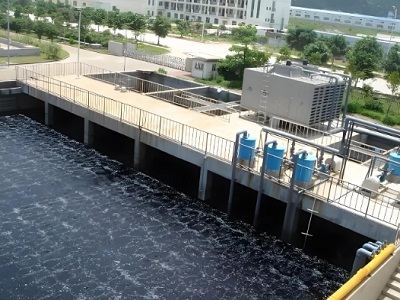
Sources and Characteristics of Pharmaceutical Wastewater
Pharmaceutical wastewater mainly comes from raw material processing, product extraction, equipment cleaning and laboratory operations. Its composition is complex, usually with high COD and BOD values, toxic and refractory substances, unstable pH value and high color. These characteristics make pharmaceutical wastewater treatment challenging and require specialized technical methods to effectively reduce its environmental impact.
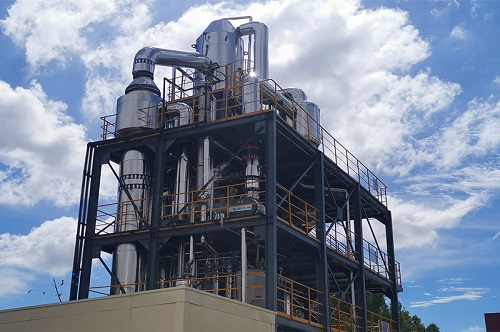
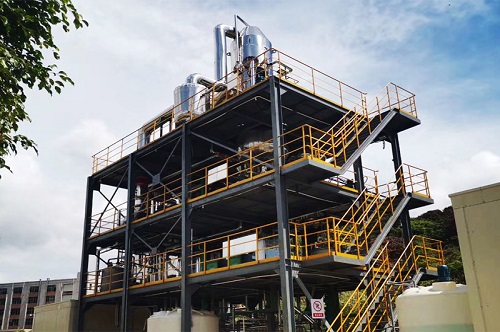
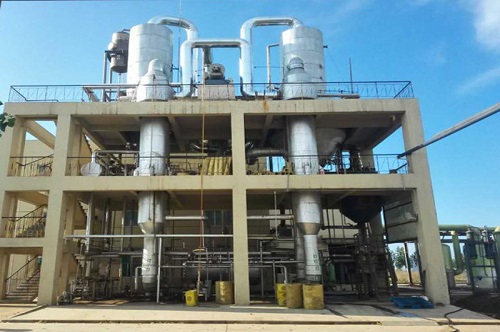
Recommended Water Treatment Equipment
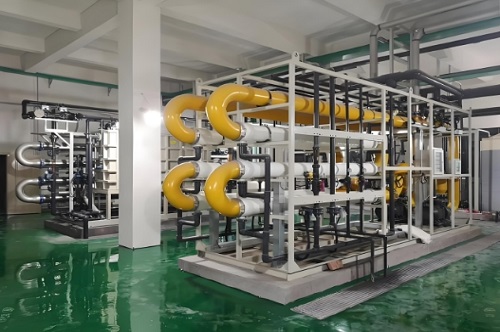
Classification of Pharmaceutical Wastewater
Pharmaceutical wastewater is wastewater generated during the production process of the pharmaceutical industry. This wastewater usually contains a variety of complex organic matter, inorganic salts, heavy metals and other chemical reagents. According to different pharmaceutical processes, production methods and raw materials, pharmaceutical wastewater can be roughly divided into antibiotic production wastewater, chemical synthesis drug wastewater, traditional Chinese medicine extraction wastewater, biological product wastewater and fermentation wastewater. The composition and characteristics of each type of wastewater are different, so the treatment process is also specific.
Antibiotic production wastewater: Antibiotic production wastewater is the most representative type of pharmaceutical wastewater. The wastewater contains a large amount of unreacted antibiotic raw materials, intermediate products, solvents and their by-products, and has high COD (chemical oxygen demand), high Characterized by BOD (Biochemical Oxygen Demand) and high salinity. This type of wastewater is difficult to be biodegraded directly. Pretreatment such as chemical oxidation and coagulation sedimentation is usually used before biological treatment.
Chemical synthesis drug wastewater: Chemical synthesis drug wastewater is generated during chemical reactions. The wastewater contains a large amount of organic solvents, heavy metals, reaction intermediates and by-products. It has the characteristics of strong toxicity, complex composition and high pollution load. Treatment requires a combination of coagulation precipitation, redox, adsorption and other processes to ensure the removal of harmful substances.
Traditional Chinese medicine extraction wastewater: Traditional Chinese medicine extraction wastewater comes from the extraction, concentration and separation of Chinese medicinal materials. The wastewater is rich in organic matter, such as polysaccharides, pigments, plant saponins, etc., and has high COD and chroma. This type of wastewater is relatively easy to biodegrade, but has a high concentration of organic matter, so it is generally treated using an anaerobic-aerobic combined process.
Biological product wastewater: Biological product wastewater mainly comes from processes such as bioengineering, vaccine production and fermentation. The wastewater contains organic matter such as fermentation broth residues and culture media, as well as microbial residues. The BOD and COD of the wastewater are relatively high. Biological product wastewater is generally treated by a combination of physical and chemical pretreatment and biological treatment.
Fermentation wastewater: Fermentation wastewater is produced during the pharmaceutical fermentation process and contains high concentrations of organic matter, nutrients and microbial metabolites. It has the characteristics of high organic load and high ammonia nitrogen concentration. This type of wastewater is usually treated by an anaerobic fermentation process to convert organic matter into biogas, and is supplemented by aerobic biological treatment to ensure the removal of pollutants.
Pharmaceutical Wastewater Treatment process
1. Physical preprocessing
The first step in pharmaceutical wastewater treatment is physical pretreatment, which is used to remove large particle impurities and suspended solids and reduce the load on the subsequent treatment system. Commonly used physical pretreatment processes include:
Grid treatment: Remove large impurities and suspended solids from wastewater by setting up a grid to avoid clogging of subsequent equipment.
Sedimentation tank: The sedimentation tank is used to settle the sediment and suspended matter in the wastewater to further reduce the turbidity of the sewage.
Grease trap: Some pharmaceutical wastewater contains grease and oily substances. Grease traps are used to separate floating oil to facilitate subsequent treatment.
2. Chemical treatment
Chemical treatment processes are mainly used to remove toxic and harmful substances and refractory organic matter in wastewater. Commonly used chemical treatments include:
Coagulation and sedimentation: Add coagulant and coagulant aid to the wastewater to condense the pollutants into particles and settle down, which is used to remove heavy metals, color and suspended particles.
Redox: Through chemical oxidation-reduction reactions, organic pollutants, antibiotics, etc. in wastewater are removed and converted into harmless substances. Commonly used oxidants include sodium hypochlorite, ozone, etc.
Neutralization treatment: Some pharmaceutical wastewater has a high pH value. The pH value of the wastewater is adjusted to neutral by adding acid or alkali to facilitate subsequent treatment.
3. biological treatment
Biological treatment is an important part of pharmaceutical wastewater treatment, which degrades organic matter in wastewater through the metabolism of microorganisms. Commonly used biological treatment processes include:
Anaerobic treatment: Wastewater first enters the anaerobic reactor, and through the metabolic action of anaerobic bacteria, the organic pollutants in the wastewater are degraded into biogas and other harmless substances, which is suitable for treating high-concentration organic wastewater.
Aerobic treatment: After anaerobic treatment, the wastewater enters the aerobic reaction tank, where aerobic bacteria further degrade the residual organic pollutants and reduce the COD and BOD concentrations. Commonly used aerobic treatment equipment include aeration tanks and biological contact oxidation tanks. .
Biofilm method: The biofilm method includes biological filters and biological turntables. By forming a biofilm on the surface of the carrier, microorganisms are used to degrade organic matter in the wastewater, and the treatment effect is stable.
4. Depth processing
Advanced treatment is used to further remove residual pollutants in wastewater to ensure that the effluent meets national discharge standards. Commonly used deep processing processes include:
Activated carbon adsorption: Use activated carbon to adsorb wastewater, remove color and residual organic pollutants, and improve water quality.
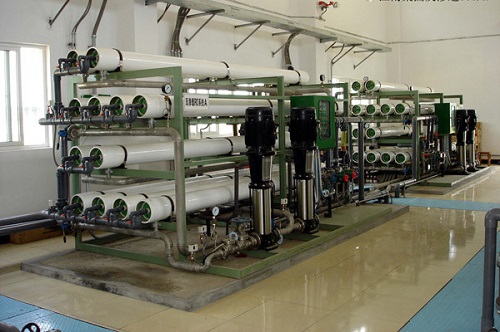
Membrane separation technology: Use ultrafiltration, nanofiltration or reverse osmosis membranes to filter wastewater to remove particles, colloids and residual harmful substances in the water to ensure high quality of effluent.
Disinfection treatment: Use ultraviolet, ozone or chlorine disinfection technology to disinfect wastewater after biological and physical and chemical treatment to kill pathogenic microorganisms and ensure the safety of effluent.