

Other Wastewater Treatment
GQHB has focused on wastewater treatment for 15 years. It has a professional team, zero wastewater discharge, and a one-stop solution service provider to help enterprises meet wastewater discharge standards. More than 100 industry patents! Comply with various national standards! Solve electroplating wastewater, hardware wastewater, and machining wastewater , printing wastewater and wastewater treatment in various industries, welcome your consultation!
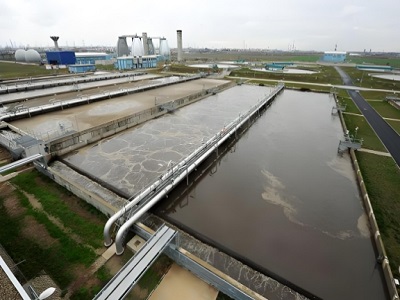
Sources and Characteristics of Other Wastewater
Sources of wastewater include industrial production, agricultural activities, domestic sewage and stormwater runoff. It is usually characterized by a variety of pollutants, which may contain organic matter, heavy metals, nutrients (such as nitrogen, phosphorus), suspended solids and microorganisms, etc. It has the characteristics of complex water quality, high pollution level and difficult treatment. These characteristics determine that wastewater treatment needs to be tailored to local conditions and adopt a variety of technical means to meet discharge standards.
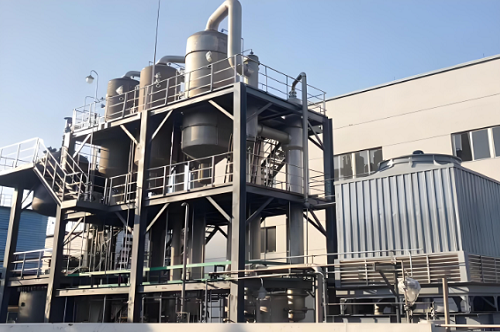
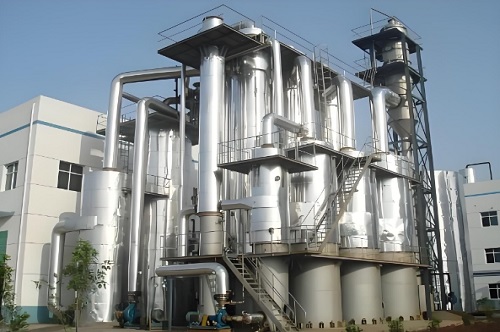
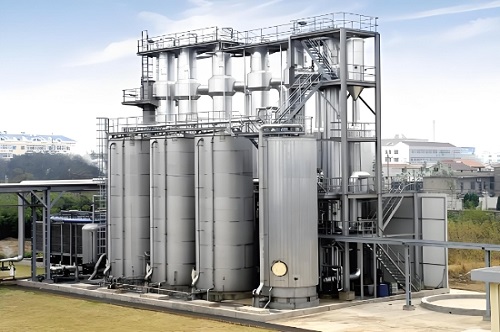
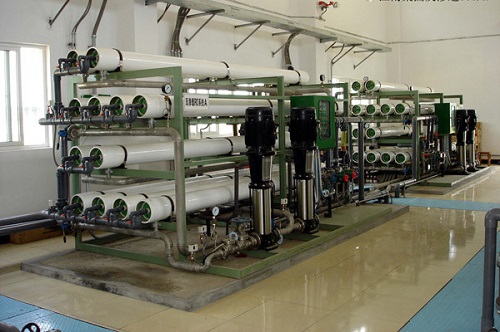
Recommended Water Treatment Equipment
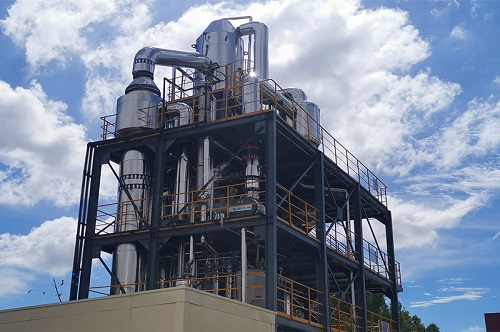
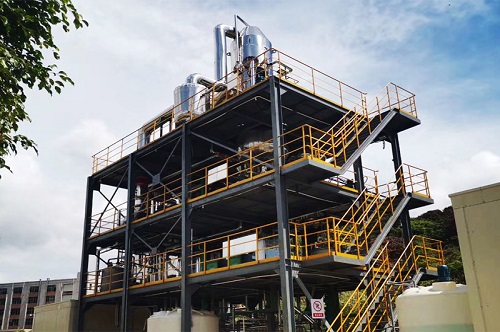
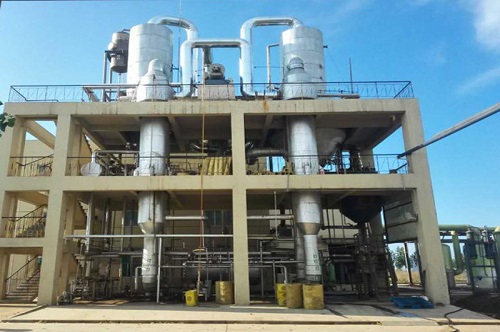
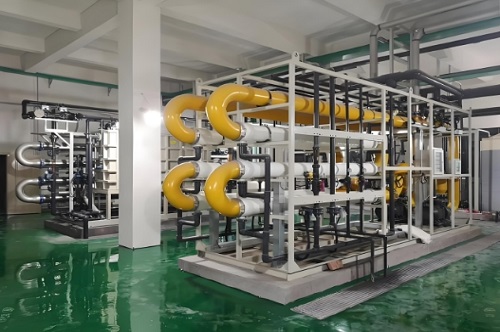
Classification of Wastewater
Wastewater refers to sewage produced in production, life or other activities, and contains different types of pollutants. Depending on the source, composition and characteristics, wastewater can be classified into various categories for easier management and treatment.
1. Classify according to source
The sources of wastewater mainly include the following aspects:
Industrial wastewater: comes from industrial production processes, including chemical, pharmaceutical, food processing, papermaking, textile and other industries.
Domestic sewage: comes from the daily life of residents, including sewage produced in kitchens, bathrooms, washing, etc.
Agricultural wastewater: Wastewater generated during agricultural production, including emissions after the use of pesticides and fertilizers.
Stormwater runoff: Rainwater from urban or rural areas flows into drainage systems and may contain pollutants.
2. Classification based on ingredients
The components of wastewater can be divided into the following categories:
Organic wastewater: mainly contains organic matter, usually originating from food processing, pharmaceuticals and sewage treatment.
Inorganic wastewater: mainly contains inorganic substances, such as heavy metals, salts and acid and alkali substances, usually originating from chemical industry and metal processing.
Mixed wastewater: contains both organic and inorganic pollutants and is relatively difficult to treat.
3. Classification based on characteristics
The characteristics of wastewater can be further classified:
High COD wastewater: has high chemical oxygen demand, usually contains a large amount of organic matter, and is difficult to treat.
High-salt wastewater: Contains high concentrations of salt, mainly from chemical, food and salt-making industries.
Heavy metal wastewater: contains heavy metal ions and is common in electroplating, metallurgy and chemical industries.
Radioactive wastewater: Contains radioactive materials, usually originating from the nuclear industry and medical fields.
Electroplating wastewater treatment process
Wastewater treatment process is the process of removing and transforming pollutants in wastewater. The purpose is to protect water resources and the environment and ensure that wastewater discharge meets relevant standards. Wastewater treatment processes are generally divided into physical, chemical and biological treatment methods, as follows:
1. Physical treatment
Physical treatment is the first step in wastewater treatment. It mainly removes suspended solids and large particle impurities in wastewater through physical methods. Common physical treatment methods include:
Sedimentation: Using gravity to settle suspended solids, thereby reducing the turbidity of wastewater.
Filtration: Removal of solid particles from wastewater through sand, fiber, or membrane filtration techniques.
Air flotation: Use microbubbles to bring suspended solids to the water surface for removal.
2. Chemical treatment
Chemical treatment removes pollutants from wastewater through chemical reactions. Common methods include:
Coagulation and sedimentation: Adding coagulants causes particles in wastewater to aggregate and settle.
Redox reaction: remove organic matter and heavy metals from water through oxidants.
Neutralization reaction: used to treat acid-base wastewater by adding acid or alkali for neutralization.
3. Biological treatment
Biological treatment uses the metabolic action of microorganisms to degrade organic matter in wastewater. The main methods include:
Activated sludge method: The microorganisms in activated sludge decompose organic matter in wastewater and are often used in urban sewage treatment.
Biofilm method: Use microorganisms to attach to solid carriers to form biofilms to remove pollutants in wastewater.
Anaerobic digestion: Using anaerobic microorganisms to decompose organic matter under anaerobic conditions, it is suitable for high-concentration organic wastewater.
4. Membrane separation technology
Membrane separation technology is a treatment method that has developed rapidly in recent years, mainly including:
Reverse osmosis: removes salt, organic matter and microorganisms from water through membrane separation technology.
Nanofiltration: suitable for removing small molecular organic matter and some inorganic salts from wastewater.
Ultrafiltration: used to remove suspended solids and colloidal substances and improve water quality.
5. Advanced oxidation technology
Advanced oxidation technology (AOP) degrades refractory organic matter in wastewater by generating strong oxidants (such as hydroxyl radicals) and has strong decontamination capabilities.