

New Energy Battery Wastewater Treatment
GQHB specializes in new energy battery wastewater treatment, professional team, one-stop service! More than 100 industry patents! Comply with various national standards! Solve electroplating wastewater, hardware wastewater, new energy wastewater, machining wastewater, printing wastewater and other industries Wastewater treatment in electroplating plants, welcome your consultation!
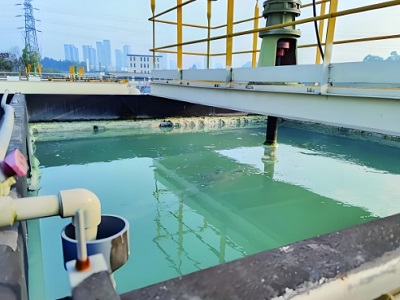
Sources and characteristics of New Energy Battery Wastewater
New energy battery wastewater mainly comes from the battery manufacturing, use and recycling processes. With the rapid development of electric vehicles, energy storage equipment and renewable energy, the demand for new energy batteries (such as lithium-ion batteries, nickel-metal hydride batteries, etc.) is increasing, and the consequent wastewater treatment problem has become increasingly prominent. New energy battery wastewater usually contains a variety of pollutants, including heavy metals, acid and alkali substances, organic solvents and electrolytes, which are toxic and harmful to a certain extent and pose potential threats to the environment and human health.
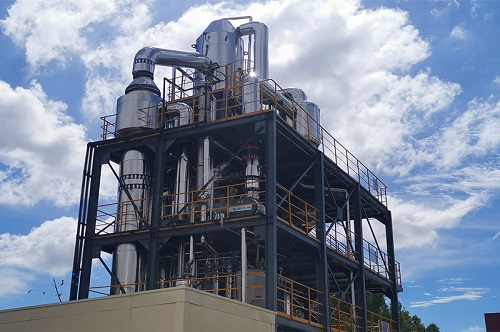
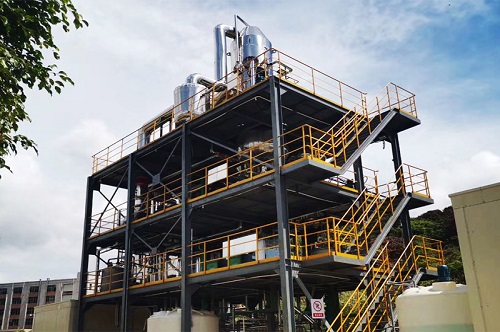
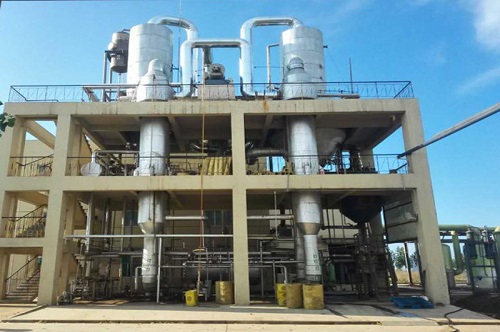
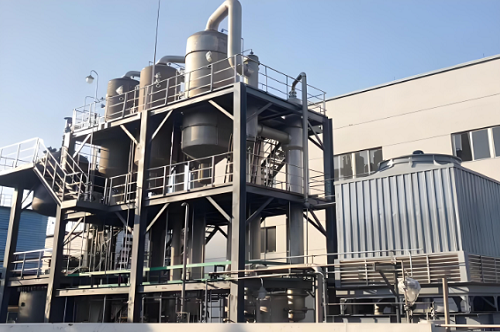
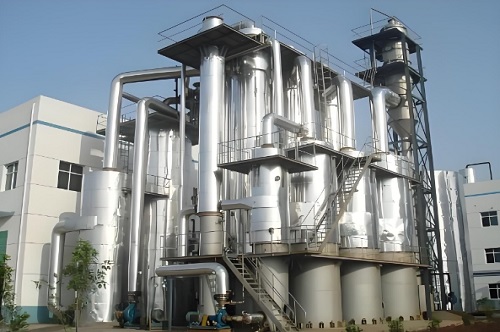
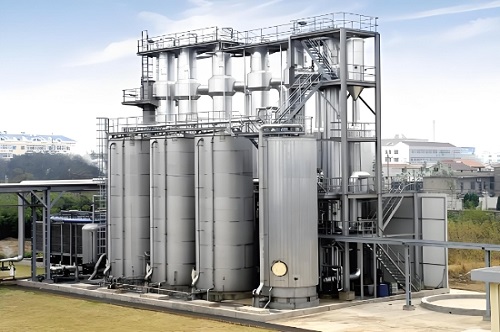
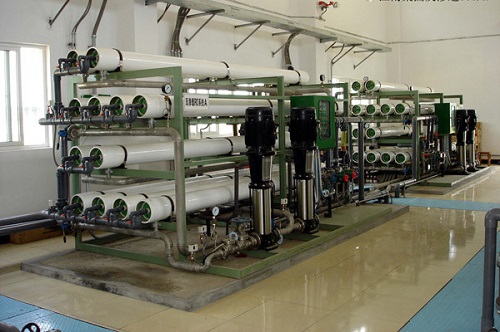
Recommended Water Treatment Equipment
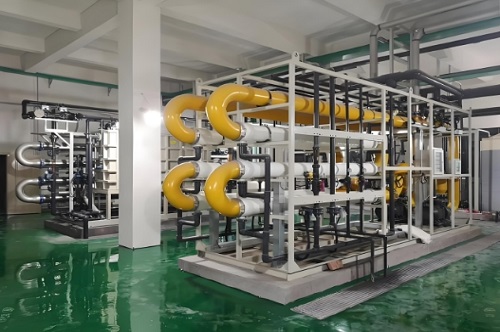
Classification of New Energy Battery Wastewater
The classification of new energy battery wastewater is mainly based on its source, composition and pollution characteristics. With the popularization of electric vehicles and renewable energy storage equipment, the problem of wastewater treatment for new energy batteries (such as lithium-ion batteries, nickel-metal hydride batteries, etc.) has become increasingly prominent. Understanding the classification of wastewater can help develop targeted treatment measures to effectively remove contaminants.
1. Manufacturing process wastewater
Manufacturing process wastewater is generated during the production of new energy batteries and mainly includes:
Electrolyte cleaning wastewater: During the battery manufacturing process, in order to remove contamination on the surface of equipment and materials, solvents are often used for cleaning. The wastewater generated during the cleaning process contains organic solvents and other chemical substances.
Material handling wastewater: During the processing and formulation of battery raw materials, wastewater may be generated that contains unreacted raw materials and their by-products.
2. Wastewater from charging and discharging processes
During the charging and discharging process of the battery, the electrolyte may evaporate or leak, forming waste water. This type of wastewater mainly comes from:
Electrolyte leakage: During the charging or discharging process of the battery, the electrolyte may leak due to overcharging or aging, forming wastewater, which usually contains high concentrations of electrolytes and heavy metals.
Battery aging wastewater: During use, the battery will gradually produce degradation products of the electrolyte as it ages, forming wastewater containing a variety of organic and inorganic pollutants.
3. Recycling and treating wastewater
During the battery recycling and end-of-life treatment process, wastewater is usually generated, mainly including:
Battery disassembly wastewater: When batteries are disassembled, electrolytes and other chemicals may be released, forming wastewater containing heavy metals and harmful compounds.
Recycling liquid wastewater: When recycling useful components in batteries through chemical treatment, the wastewater generated may contain unrecycled heavy metals and other contaminants.
4. Wastewater from other sources
In addition to the main sources mentioned above, there are some other sources of wastewater such as:
Laboratory wastewater: During the battery development and testing process, the laboratory may produce wastewater from some chemical reagents and electrolytes.
Maintenance and cleaning wastewater: Wastewater from battery system maintenance and cleaning processes, usually containing cleaning agents and solvents.
New Energy Battery Wastewater treatment process
The wastewater treatment process for new energy batteries is a comprehensive system designed to address the wastewater generated during the manufacturing, use, and recycling of batteries. Due to the high content of organic matter, heavy metals, and other harmful components in this type of wastewater, multiple combined treatment methods are required to meet environmental discharge standards. Below is a common process flow for treating wastewater from new energy batteries.
1. Physical Pre-treatment
Physical pre-treatment is the first step in treating wastewater from new energy batteries, aimed at removing large particles and suspended solids from the water. Common physical pre-treatment methods include:
Screening: Installing screens to remove large particulate impurities in the wastewater, preventing clogging of subsequent equipment.
Sedimentation Basin: Utilizing gravity to settle solid particles in the wastewater, reducing suspended solids and turbidity in the water.
Filtration: Using sand filters or membrane filtration to remove fine particles and suspended solids from the wastewater, improving water quality.
2. Chemical Treatment
Chemical treatment is a crucial step to enhance the efficiency of wastewater treatment by removing harmful substances through chemical reactions. Common chemical treatment methods include:
Coagulation and Precipitation: Adding coagulants to the wastewater to aggregate and precipitate suspended solids, heavy metals, and other pollutants.
Oxidation-Reduction: Using oxidizing agents (such as ozone, chlorine gas) to treat the wastewater, removing organic pollutants and heavy metals.
Neutralization: For acidic or alkaline wastewater, adding acids or bases to neutralize and adjust the pH to neutral, preparing the water for subsequent treatment.
3. Biological Treatment
Biological treatment is an important stage in the wastewater treatment process for new energy batteries, utilizing microbial metabolism to degrade organic matter in the wastewater. Common biological treatment methods include:
Anaerobic Treatment: In an anaerobic environment, microorganisms degrade organic matter in the wastewater, generating biogas and other reusable energy, suitable for treating high-concentration organic wastewater.
Aerobic Treatment: Introducing oxygen into aeration tanks to promote the growth of aerobic microorganisms and the degradation of organic matter, typically used for wastewater after initial treatment.
Biofilm Method: Using biofilters or bioreactors to form biofilms on carriers, where microorganisms on the films degrade pollutants in the wastewater.
4. Advanced Treatment
Advanced treatment is used to further remove residual pollutants from the wastewater, ensuring that the effluent meets discharge standards. Common advanced treatment methods include:
Activated Carbon Adsorption: Using activated carbon to adsorb organic substances in the wastewater, removing color and odor, and improving water quality.
Membrane Separation Technology: Employing ultrafiltration, nanofiltration, or reverse osmosis membrane technology to filter wastewater, removing particles, colloids, and harmful substances, ensuring effluent quality.
Disinfection: Using methods such as ultraviolet light, ozone, or chlorine disinfection to kill bacteria and pathogens in the water, ensuring the safety of treated water.