

High Salt Wastewater Treatment
GQHB has focused on high-salt wastewater treatment for 15 years. It has a professional team, zero discharge of high-salt wastewater, and a one-stop solution service provider to help enterprises meet wastewater discharge standards. More than 100 industry patents! Comply with various national standards! Solve electroplating wastewater and hardware wastewater , wastewater treatment in various industries such as machining wastewater, printing wastewater, etc., welcome your consultation!
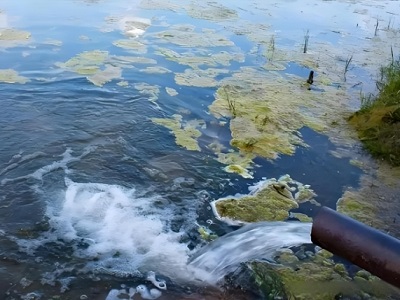
Sources and characteristics of High Salt Wastewater
High-salt wastewater mainly originates from industries such as chemical industry, food processing, salt production, oil mining, and papermaking. The characteristics of this type of wastewater include that the salt concentration is significantly higher than that of ordinary wastewater, usually reaching tens of thousands of milligrams per liter. It is highly corrosive and biologically toxic, and may have a serious impact on the ecosystem. In addition, the treatment of high-salt wastewater is difficult, conventional biological treatment methods have limited effects, and the treatment cost is high. Therefore, special technologies and methods are required to treat high-salt wastewater to reduce its impact on the environment.
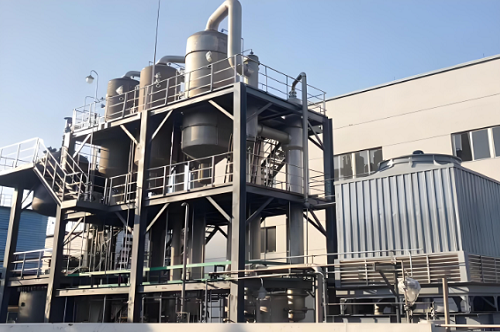
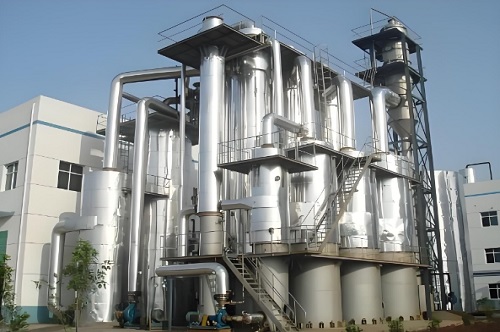
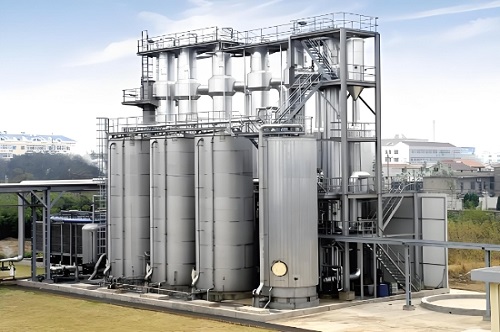
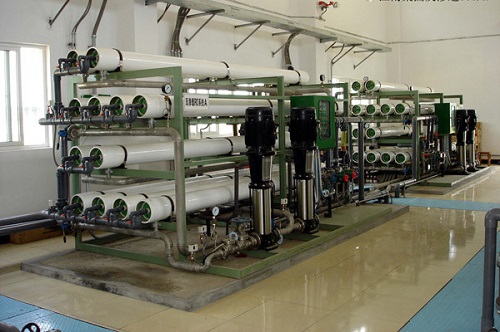
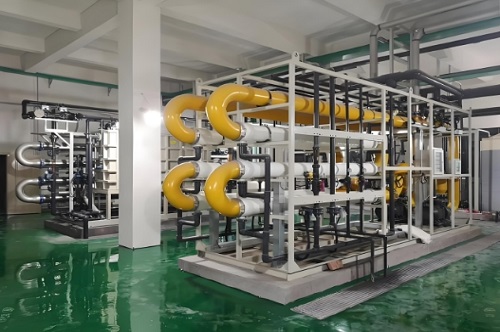
Recommended Water Treatment Equipment
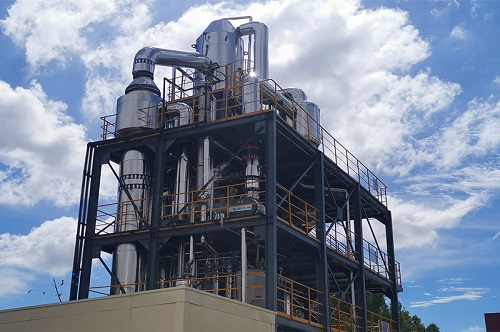
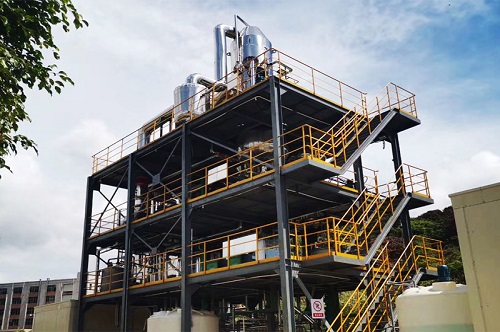
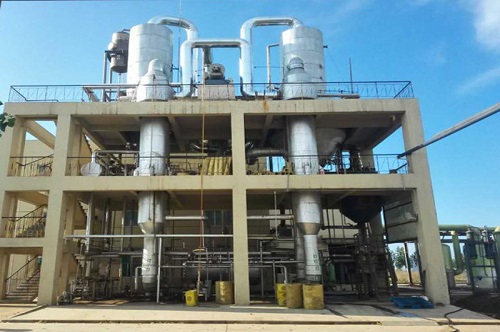
Classification of High Salt Wastewater
High-salt wastewater refers to industrial wastewater containing high concentrations of dissolved salts and can be classified into various categories based on source, composition, and salt concentration. This classification method helps to understand the characteristics of wastewater and formulate corresponding treatment measures.
1. Classify according to source
The sources of high-salt wastewater mainly include the following aspects:
Chemical wastewater: comes from chemical production processes such as chlor-alkali and chemical fertilizers, and contains a variety of salts.
Food processing wastewater: Wastewater generated during pickling, soy sauce and other production processes has a high salt concentration.
Salt production wastewater: Wastewater produced during seawater desalination and salt extraction, with extremely high salt concentration.
Oil and Gas Industry Wastewater: Salty wastewater associated with the extraction and processing of oil.
Paper industry wastewater: High-salt wastewater caused by chemicals used in certain production processes.
2. Classification based on ingredients
The components of high-salt wastewater can be divided into the following two categories:
Single salt wastewater: mainly composed of one salt, such as sodium chloride wastewater.
Mixed salt wastewater: wastewater containing a variety of salts, such as sodium, calcium, magnesium and other ions.
3. Classification based on salt concentration
According to different salt concentrations, high-salt wastewater can be divided into:
Low-salt wastewater: The salt concentration is usually below a few thousand milligrams per liter.
Medium salt wastewater: The salt concentration ranges from several thousand to tens of thousands of milligrams per liter.
High-salt wastewater: The salt concentration is higher than tens of thousands of milligrams per liter, making it difficult to treat.
High Salt Wastewater treatment process
High-salt wastewater treatment process is a series of treatment methods designed for wastewater containing high concentrations of salt, aiming to effectively remove salt and other pollutants in wastewater to meet discharge standards. The following are common high-salt wastewater treatment processes.
1. Physical treatment
Physical treatment is the first step in high-salt wastewater treatment. It mainly removes suspended solids and large particle impurities in wastewater through physical methods. Common physical treatments include:
Sedimentation: Use gravity to settle suspended solids and reduce turbidity in wastewater.
Filtration: Use sand or membrane filtration technology to remove solid particles from wastewater.
2. Chemical treatment
Chemical treatment is a key step in removing salt and heavy metals from high-salt wastewater. Common methods include:
Coagulation and sedimentation: Adding coagulants causes salts and other pollutants in wastewater to accumulate and settle.
Ion exchange: Use ion exchange resin to remove cations such as sodium and calcium from water to achieve salt removal.
Chemical reaction: Removal of certain contaminants through redox reactions.
3. Biological treatment
Biological treatment is usually suitable for high-salt wastewater containing organic matter. Commonly used methods include:
Anaerobic treatment: The use of anaerobic microorganisms to decompose organic matter in a salty environment.
Biosorption: Using specific microorganisms to absorb heavy metals and salts in wastewater.
4. Membrane separation technology
Membrane separation technology is receiving more and more attention in high-salt wastewater treatment, mainly including:
Reverse osmosis: removes salt from water through membrane separation technology, suitable for the treatment of high-concentration brine.
Nanofiltration: used to remove smaller molecular weight salts from wastewater, suitable for wastewater with medium salt concentration.
5. Evaporation and concentration
Evaporation concentration is an effective method for treating high-salt wastewater and is suitable for resource treatment of high-salt wastewater. The water is removed by evaporation and the residue is concentrated for subsequent processing.