

High COD Wastewater Treatment
GQHB specializes in high-concentration COD wastewater treatment, 15 years of industry experience, 6000+ cooperation cases, professional team, one-stop service! More than 100 industry patents! Complies with various national standards! Solve high-concentration COD wastewater treatment, electroplating wastewater, hardware wastewater , wastewater treatment in various industries such as machining wastewater, printing wastewater, etc., welcome your consultation!
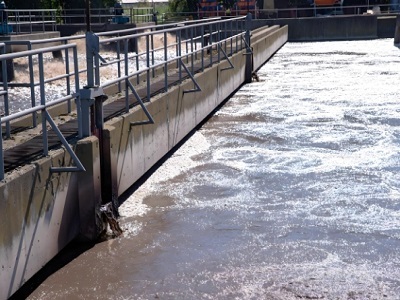
Sources and Characteristics of High COD Wastewater
High COD wastewater mainly originates from industrial production and domestic sewage, especially from food processing, pharmaceutical, papermaking, chemical and textile industries. This type of wastewater usually contains a large amount of organic matter, which causes a significant increase in chemical oxygen demand (COD) and may cause serious pollution to water bodies. The characteristics of high COD wastewater include high organic matter concentration, deep color, obvious odor, and may contain a variety of toxic substances, making it difficult to treat. Therefore, effective treatment of high COD wastewater is an important step in protecting the water environment.
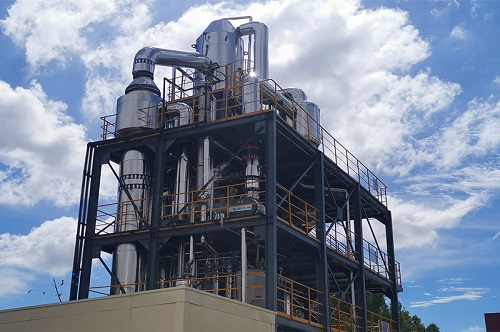
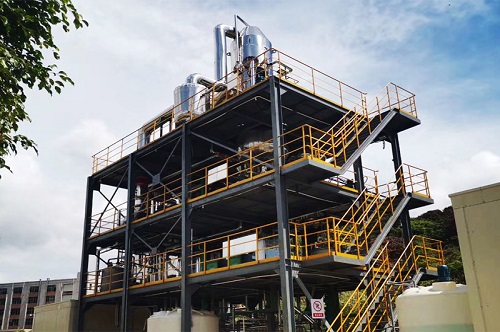
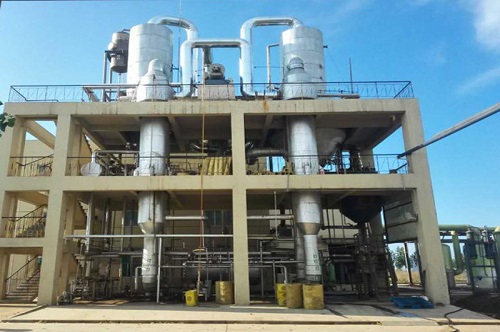
Recommended Water Treatment Equipment
Classification of High COD Wastewater
High COD wastewater refers to wastewater with a chemical oxygen demand (COD) significantly higher than the standard, mainly derived from industrial production and domestic sewage. High COD wastewater can be classified into multiple categories based on source, composition and treatment difficulty, which helps to understand its characteristics and develop corresponding treatment strategies.
1. Classify according to source
The sources of high COD wastewater mainly include the following aspects:
Industrial wastewater:
Food processing wastewater: Fruit and vegetable processing, meat processing and dairy production, etc., contain a large amount of organic matter.
Pharmaceutical wastewater: Wastewater generated during the pharmaceutical production process may contain complex organic compounds.
Papermaking wastewater: Wastewater produced during pulp and paper production, often containing cellulose and other organic matter.
Chemical wastewater: Wastewater produced during the production of chemicals, containing a variety of organic solvents and compounds.
Textile wastewater: Wastewater produced during the use of dyes and auxiliaries, usually with high color and containing a variety of organic matter.
Domestic sewage:
Residential sewage: sewage produced in daily household life, including wastewater discharged from washing, kitchens and toilets.
Catering industry wastewater: Wastewater produced by restaurants and canteens contains organic matter such as grease and food residues.
2. Classification based on ingredients
The components of high COD wastewater can be divided into the following two categories:
Organic wastewater: The main component is organic matter, which is easily degraded by microorganisms.
Mixed wastewater: contains a variety of pollutants, including organic and inorganic substances, and is relatively difficult to treat.
3. Classification according to processing difficulty
According to the difficulty of treatment, high COD wastewater can be divided into:
Easy to treat high COD wastewater: high organic content but relatively easy to biodegrade, so biological treatment methods can usually be used.
Difficult to treat high COD wastewater: Contains complex organic matter or toxic substances, conventional treatment methods are ineffective and requires special technical treatment.
High COD Wastewater treatment process
The high-COD wastewater treatment process is designed to effectively remove organic matter in wastewater to reduce chemical oxygen demand (COD) and prevent water pollution. Treatment processes usually combine physical, chemical and biological methods, as follows:
Main processing technology
1. Physical treatment
Physical treatment is the first step in high COD wastewater treatment. It is mainly used to remove suspended solids and large particle impurities. Common methods include:
Sedimentation: Using gravity to settle suspended solids, thereby reducing the turbidity of wastewater.
Filtration: Use sand or membrane filtration technology to remove solid particles from wastewater.
2. Chemical treatment
Chemical treatment targets organic matter and other contaminants in wastewater. Common methods include:
Coagulation and sedimentation: Add coagulant to cause the organic matter in the wastewater to aggregate and settle.
Redox reaction: The use of oxidants to remove organic matter from water, such as ozone or potassium permanganate.
Chemical precipitation: Removing heavy metals and other contaminants from water through chemical reactions.
3. Biological treatment
Biological treatment is the most commonly used method in high COD wastewater treatment, mainly including:
Activated sludge method: Use microorganisms in activated sludge to decompose organic matter in wastewater.
Biofilm method: Microorganisms attach to the carrier to form a biofilm, which effectively removes organic matter.
Anaerobic digestion: The use of anaerobic microorganisms to decompose organic matter under anaerobic conditions, suitable for high-concentration organic wastewater.
4. Membrane separation technology
Membrane separation technology is receiving more and more attention in high COD wastewater treatment, mainly including:
Reverse osmosis: removes most organic matter and salts from wastewater through membrane separation.
Nanofiltration: Suitable for the removal of medium-concentration organic matter, and can effectively remove some small-molecule organic matter.
5. Advanced oxidation technology
Advanced oxidation technology (AOP) is an emerging method for treating high COD wastewater. It mainly uses strong oxidants and catalysts to generate free radicals to rapidly degrade organic pollutants.