

Heavy Metal Wastewater Treatment
GQHB has been focusing on heavy metal wastewater treatment for 15 years. It has a professional team and one-stop service. The heavy metal wastewater treatment effect is good. It can quickly remove 99% of heavy metals in sewage and help companies discharge wastewater to meet standards. More than 100 industry patents! Comply with various national standards! Solved Wastewater treatment of electroplating wastewater, hardware wastewater, machining wastewater, printing wastewater and other industries, welcome your consultation!
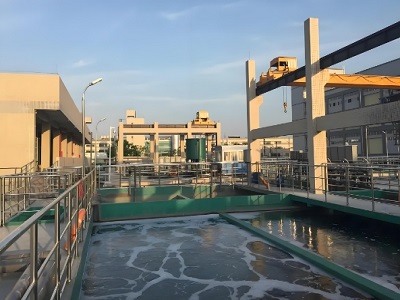
Sources and Characteristics of Heavy Metal Wastewater
Heavy metal wastewater mainly comes from industrial discharge, mining, metallurgical processing, agricultural fertilization and urban sewage. Characteristics include high levels of contamination, persistence, bioaccumulation and compositional complexity. The heavy metals in these wastewaters pose a serious threat to the environment and human health, are not easily degraded, and can exist and accumulate in the ecosystem for a long time.
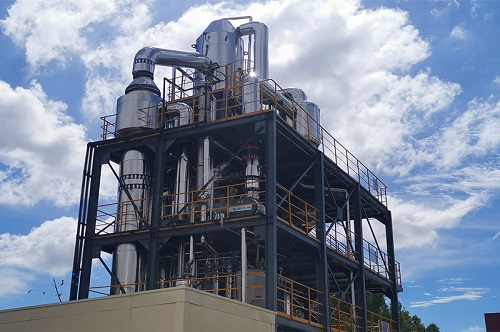
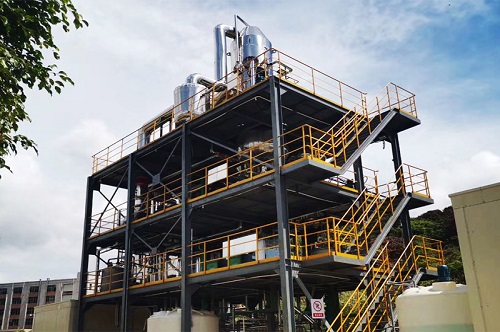
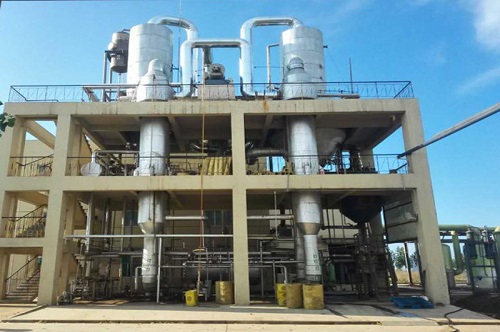
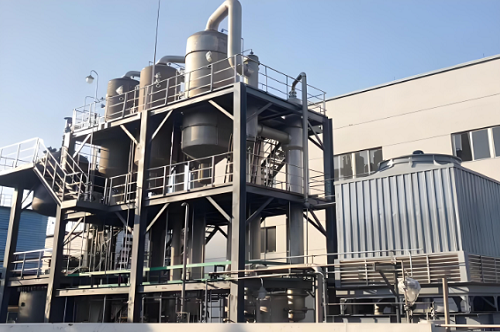
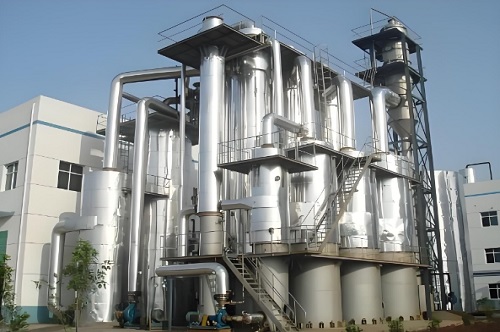
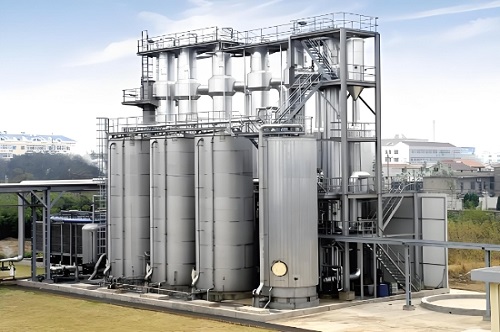
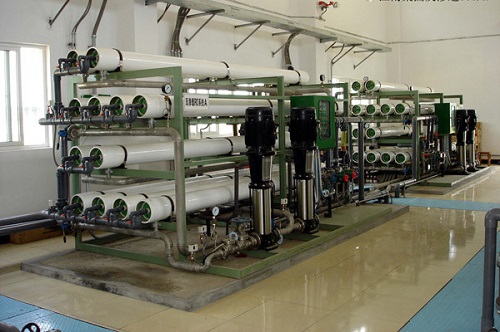
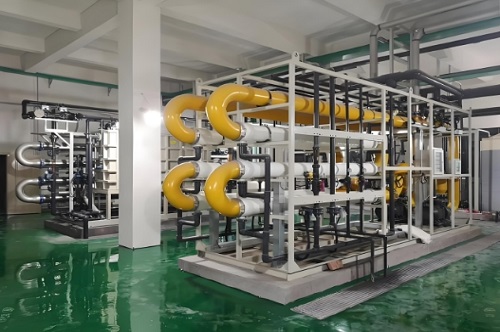
Recommended Water Treatment Equipment
Classification of Heavy Metal Wastewater
Heavy metal wastewater refers to industrial wastewater containing harmful heavy metal ions, which are potentially harmful to the environment and human health. Heavy metal wastewater can be divided into various types based on source, composition and characteristics. Understanding the classification of heavy metal wastewater can help develop effective treatment measures.
1. Industrial production wastewater
Industrial production processes are important sources of heavy metal wastewater, mainly including:
Electroplating wastewater: The metal salt solution used in the electroplating process will produce wastewater containing heavy metals such as chromium, nickel, copper, and zinc.
Chemical wastewater: Processes involving heavy metal catalysts or reaction intermediates in chemical production may produce wastewater containing heavy metals.
Metallurgical wastewater: Wastewater from metal smelting and casting processes, usually containing heavy metal ions such as lead, cadmium, and mercury.
2. Mining wastewater
During the mining and mineral processing process, heavy metal elements may dissolve from the ore and form wastewater, which mainly includes:
Mineral processing wastewater: During the mineral processing process, the treatment and separation of heavy metal ores will produce wastewater containing heavy metals.
Mine drainage: Heavy metals may be introduced into water bodies during mining and groundwater discharge.
3. Domestic sewage
Domestic sewage may contain small amounts of heavy metals, especially in some highly industrialized cities. The main sources include:
Household cleaners: Some cleaners and detergents may contain heavy metals such as lead and cadmium.
E-Waste Disposal: When electronics are processed and recycled, wastewater may contain heavy metals such as mercury and lead.
4. Agricultural wastewater
Certain fertilizers and pesticides used in agriculture may contain heavy metals and form agricultural wastewater, which mainly include:
Fertilizers containing heavy metals: Heavy metals may be introduced during the production and use of certain fertilizers and pesticides.
Irrigation wastewater: Farmland irrigated by contaminated water sources may produce wastewater containing heavy metals.
Heavy Metal Wastewater Treatment Process
The heavy metal wastewater treatment process is a series of treatment measures designed for industrial wastewater containing heavy metal ions. These processes are designed to remove heavy metal pollutants from wastewater and ensure that the water quality meets environmental discharge standards. The following are common heavy metal wastewater treatment processes.
1. Physical preprocessing
Physical pretreatment is the first step in heavy metal wastewater treatment. It mainly removes large particulate matter and suspended solids in wastewater through physical means. Commonly used physical pretreatment methods include:
Grille: Set up a grille to remove large particle impurities in the wastewater to prevent clogging of subsequent equipment.
Sedimentation tank: Use gravity to settle solid particles in wastewater and reduce suspended solids and turbidity in the water.
Filtration: Remove fine particles and suspended solids from wastewater through sand filtration or membrane filtration to improve water quality.
2. Chemical treatment
Chemical treatment is a key step in removing heavy metals. Harmful heavy metal ions in water are removed through chemical reactions. Common chemical treatments include:
Coagulation and precipitation: adding coagulant to wastewater to aggregate and precipitate heavy metal ions in the water for removal.
Redox: Use oxidants (such as chlorine, ozone, etc.) to oxidize heavy metals in wastewater and convert them into insoluble compounds.
Ion exchange: Use specific ion exchange resin to adsorb heavy metal ions in water, suitable for removing low concentrations of heavy metals.
3. Biological treatment
Biological treatment uses the metabolism of microorganisms to remove heavy metals, and is especially suitable for wastewater containing organic matter. Common biological treatment methods include:
Biosorption: Using specific microorganisms or plants to absorb heavy metal ions in wastewater and reduce their concentration.
Biological reduction: Certain heavy metal ions in the water are reduced to insoluble substances by anaerobic microorganisms for removal.
4. Depth processing
Advanced treatment is used to further remove heavy metals remaining in wastewater to ensure that the effluent quality meets discharge standards. Common depth processing methods include:
Activated carbon adsorption: Use activated carbon to adsorb heavy metals in wastewater, remove color and odor, and improve water quality.
Membrane separation technology: Use ultrafiltration, nanofiltration or reverse osmosis membrane technology to filter wastewater to remove particles, colloids and harmful substances.
Disinfection treatment: Use ultraviolet, ozone or chlorine disinfection methods to kill bacteria and pathogens in the water to ensure the safety of the treated water.