

Garbage Leachate Wastewater Treatment
GQHB has been focusing on landfill leachate wastewater treatment for 15 years. It has a professional team and one-stop service. It has good landfill leachate wastewater treatment effect and saves 30% of the cost. It has more than 100 industry patents! It complies with various national standards! It solves electroplating wastewater and hardware wastewater. Wastewater treatment from electroplating plants in various industries such as machining wastewater, printing wastewater, etc., welcome your consultation!
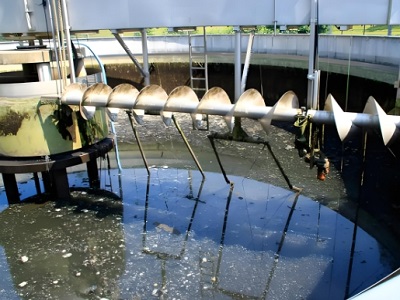
Sources and characteristics of Garbage Leachate Wastewater
Landfill leachate wastewater refers to the liquid formed due to the interaction of moisture in the garbage with external water bodies such as precipitation, surface water or groundwater during landfill, composting or other treatment processes. Its sources mainly include the moisture of the garbage itself, precipitation infiltration, moisture released when the garbage decomposes, and groundwater infiltration. These liquids usually contain large amounts of organic matter, inorganic salts, heavy metals, toxic chemicals and pathogens, making them highly polluted and complex. Landfill leachate is not only large in volume but also has diverse components. Improper treatment will pose serious threats to the environment and human health.
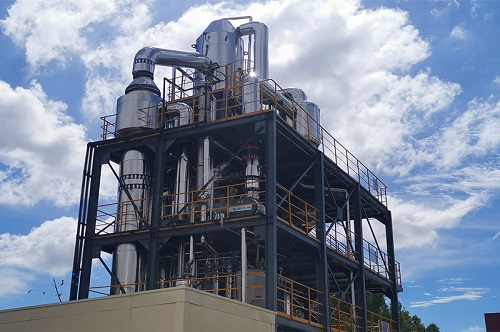
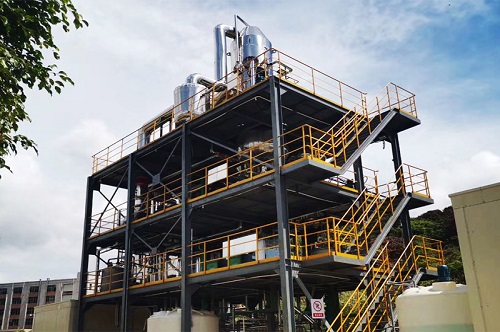
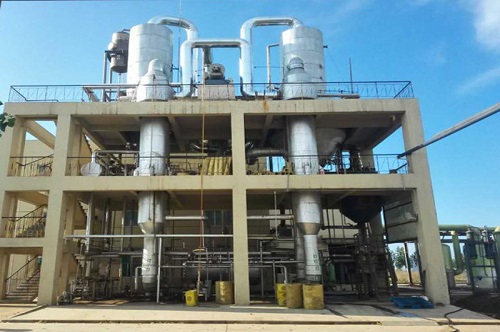
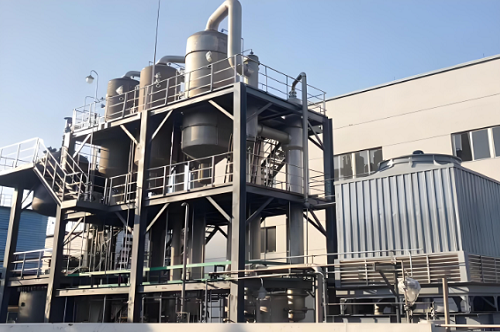
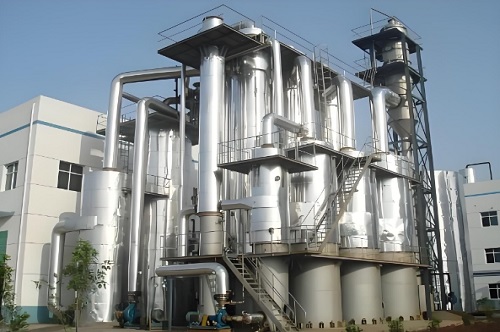
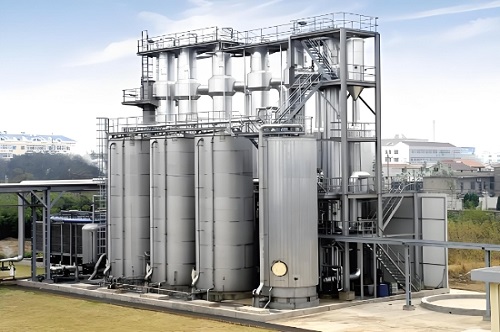
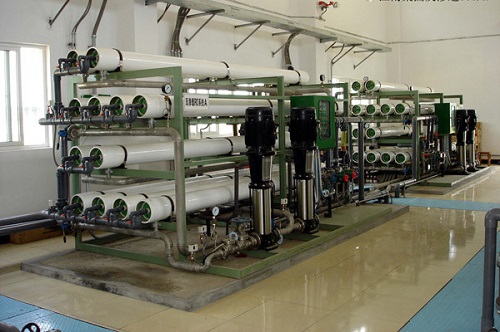
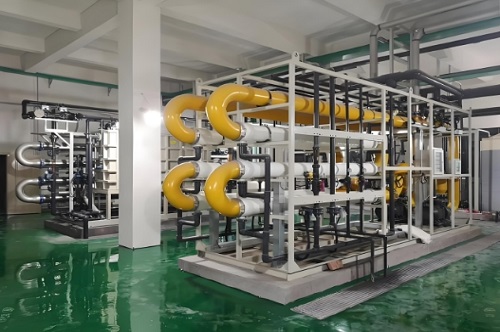
Recommended Water Treatment Equipment
Classification of Garbage Leachate Wastewater
Landfill leachate wastewater refers to the liquid containing various pollutants produced during the landfill or composting process due to the action of precipitation, groundwater or the moisture of the garbage itself. Landfill leachate can be divided into several different types based on its composition, degree of contamination and the process by which it is produced. Understanding these classifications can help you develop targeted treatments to more effectively remove contaminants.
1. Fresh landfill leachate
Fresh landfill leachate usually comes from freshly landfilled domestic waste, contains high moisture and organic matter, and generally has high COD (Chemical Oxygen Demand) and BOD (Biochemical Oxygen Demand) values. This type of leachate is highly polluting and requires efficient physical, chemical and biological treatment methods to effectively remove harmful components.
2. Aged landfill leachate
Old garbage leachate comes from garbage heaps that have been landfilled for a long time and contains high levels of inorganic matter and heavy metals. As time goes by, the organic matter content gradually decreases, and the main component is liquid after the dissolved solid waste has been degraded. Since the pollution components are relatively simple, the treatment process is relatively easy and can usually be purified through physical or simple biological treatment.
3. High concentration leachate
High-concentration leachate is usually derived from industrial waste or medical waste and contains large amounts of organic pollutants, ammonia nitrogen, heavy metals and other harmful substances. This type of leachate has a high pollution load, and chemical treatment processes such as advanced oxidation and coagulation sedimentation must be used in treatment, combined with biological treatment processes to ensure the effective removal of pollutants.
4. Low concentration leachate
Low-concentration leachate is mainly derived from domestic waste and contains lower concentrations of pollutants. It is usually suitable for treatment through biological treatment or simple physical methods. The treatment process is relatively simple and it is easy to meet emission standards.
5. Pretreatment of leachate
Pretreatment leachate is formed after preliminary physical and chemical treatment, and usually a part of suspended solids and easily degradable organic matter has been removed. This type of leachate has reduced the concentration of pollutants before entering advanced treatment, and is suitable for subsequent efficient treatment processes such as biological treatment or membrane separation.
Garbage Leachate Wastewater treatment process
The landfill leachate wastewater treatment process is a treatment system designed for wastewater generated in landfills or composting processes. Since the composition of landfill leachate is complex and contains a large amount of organic matter, inorganic salts, heavy metals and other harmful substances, its treatment process usually requires a combination of physical, chemical and biological methods to effectively remove pollutants and ensure that the effluent water quality meets environmental protection standards. .
1. Physical preprocessing
Physical pretreatment is the first step in landfill leachate treatment and is mainly used to remove large particle impurities and suspended solids to reduce the burden of subsequent treatment. Common physical preprocessing methods include:
Grille: Set up a grille to remove larger particulate matter and impurities in the wastewater to prevent subsequent equipment from clogging.
Sedimentation tank: Use gravity to settle heavier solid particles and reduce the turbidity of wastewater.
Grease trap: In oily wastewater, grease trap is used to remove floating oil and grease and reduce the impact on biological treatment.
2. Chemical treatment
Chemical treatment is a key link in landfill leachate treatment, which removes pollutants in the water through chemical reactions. Common chemical treatments include:
Coagulation and sedimentation: Adding coagulant to the leachate causes suspended solids and colloids in the water to aggregate into particles and remove them through sedimentation.
Redox: Use oxidants (such as ozone, chlorine, etc.) to oxidize wastewater to remove organic pollutants and harmful substances.
Neutralization treatment: For acidic and alkaline wastewater, add acid or alkali for neutralization and adjust the pH value to neutral to ensure the effect of subsequent treatment.
3. Biological treatment
Biological treatment is an important part of landfill leachate treatment, using the metabolism of microorganisms to remove organic matter in wastewater. Common biological treatment methods include:
Anaerobic treatment: Under anaerobic conditions, microorganisms degrade organic matter through fermentation and generate reusable energy such as biogas, which is suitable for treating high-concentration wastewater.
Aerobic treatment: Introduce oxygen through the aeration tank to promote the growth of aerobic bacteria and the degradation of organic matter. It is suitable for treating wastewater after preliminary treatment.
Biofilm method: Using equipment such as biological filters or biological turntables to treat sewage by forming a biofilm on the carrier, it has good stability and strong adaptability.
4. Depth processing
Advanced treatment is used to further remove residual pollutants in the water to ensure that the effluent water quality meets the discharge standards. Common depth processing methods include:
Activated carbon adsorption: Activated carbon is used to adsorb organic matter in water, remove color and taste, and improve water quality.
Membrane separation technology: Use ultrafiltration, nanofiltration or reverse osmosis membranes to filter wastewater to remove particles, colloids and residual harmful substances to ensure the safety of the effluent.
Disinfection treatment: Use ultraviolet or ozone disinfection to kill pathogenic microorganisms in the water to ensure the safety of the treated water.