

Electroplating Wastewater Treatment
GQHB specializes in electroplating factory wastewater treatment, professional team, one-stop service! More than 100 industry patents! Comply with various national standards! Solve electroplating factory wastewater treatment in various industries such as electroplating wastewater, hardware wastewater, machining wastewater, printing wastewater, etc. Welcome your consultation!
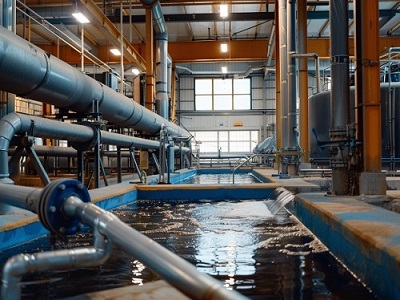
Sources and characteristics of electroplating wastewater
The main functions of electroplating include providing decorative protective layers, improving the surface hardness and wear resistance of the plated parts, enhancing the conductivity, magnetic conductivity, and reflectivity of the plated parts, preventing local carburizing and nitriding on the surface of the plated parts, and repairing the dimensions of the parts.
Electroplating wastewater mainly comes from cleaning of plated parts, floor washing, hanging fixtures, and electrode plate washing, while electroplating waste liquid mainly comes from the replacement of waste tank solution.
Plating cleaning wastewater is one of the main sources of electroplating wastewater, accounting for more than 80% of the total discharge of production wastewater. Various pollutants are carried into the plating cleaning wastewater by the tank solution attached to the plating surface.
A small amount of wastewater is generated during the processes of floor washing, hanging tool washing, and laboratory analysis in the workshop. All of it should be collected and discharged into the wastewater treatment station.
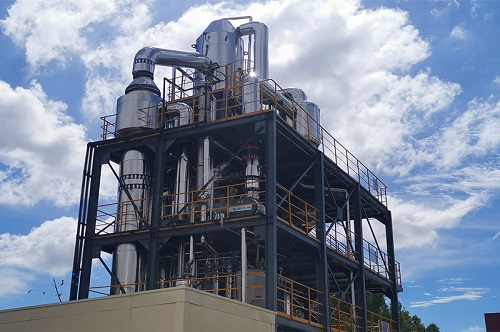
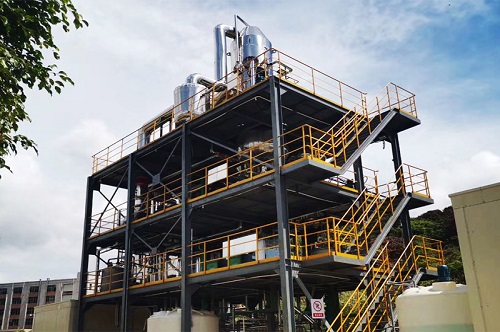
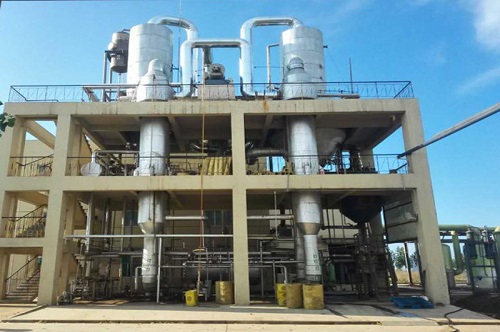
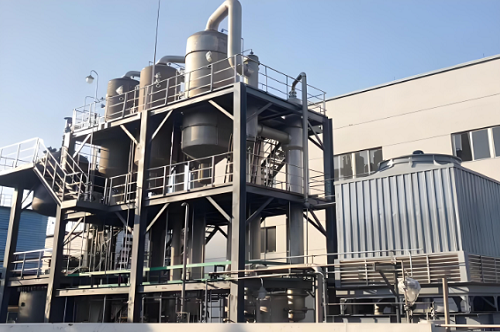
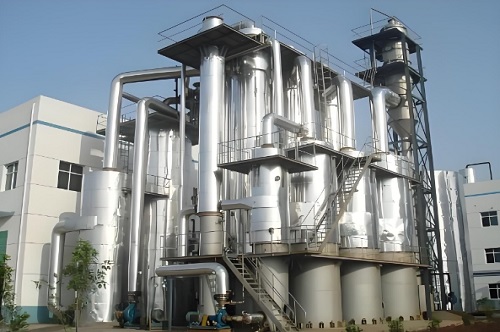
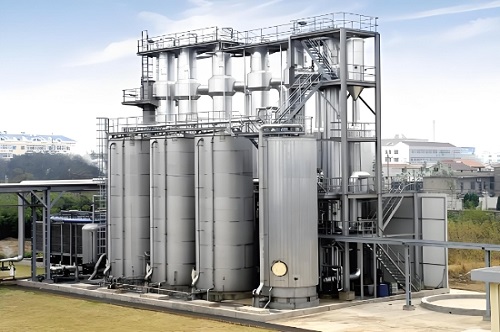
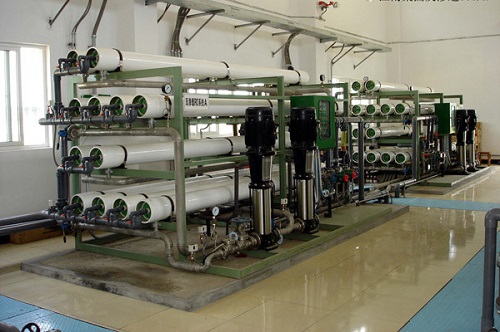
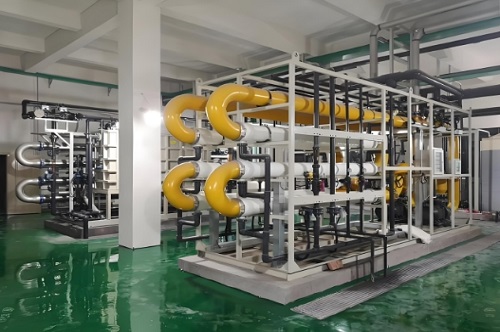
Recommended Water Treatment Equipment
Classification of Electroplating Wastewater
According to the actual situation of electroplating enterprises and the principle of treating electroplating wastewater by quality classification, the wastewater discharged from the electroplating workshop is divided into pre-treatment wastewater, cyanide containing wastewater, hexavalent chromium containing wastewater, coke copper wastewater, chemical nickel plating wastewater, chemical copper plating wastewater, comprehensive wastewater, and electroplating wastewater.
1. Pre treated wastewater
Pre treatment wastewater includes cleaning wastewater generated during processes such as degreasing and oil removal during pre plating preparation. The main pollutants are organic matter, suspended solids, petroleum, phosphates, and surfactants.
2. Cyanide containing wastewater
Cyanide containing wastewater comes from cyanide electroplating processes such as cyanide copper plating, alkaline cyanide gold plating, neutral and acidic gold plating, cyanide silver plating, cyanide copper tin alloy plating, and imitation gold electroplating. The main pollutants in the wastewater are cyanide and heavy metal ions (present in complex form).
3. Wastewater containing hexavalent chromium
The wastewater containing hexavalent chromium mainly comes from processes such as chromium plating, black chromium plating, and passivation. The main pollutants in the wastewater are hexavalent chromium, total chromium, etc.
4. Coking copper wastewater
Coking copper wastewater mainly comes from electroplating processes such as copper plating with pyrophosphate and copper tin alloy plating with pyrophosphate. The main pollutants in the wastewater are copper ions (in complex form), phosphates, ammonia nitrogen, and organic compounds.
5. Chemical nickel plating wastewater
The typical electroless nickel plating process uses hypophosphite as a reducing agent, and the main pollutants in the wastewater are nickel ions (present in complex form), phosphates (including hypophosphite and hypophosphite), and organic compounds.
6. Chemical copper plating wastewater
The typical chemical copper plating process uses formaldehyde as a reducing agent, and the main pollutants in the wastewater are copper ions (present in complex form) and organic matter.
7. Comprehensive wastewater
In addition to the six types of wastewater mentioned above, other types of electroplating wastewater are collectively referred to as comprehensive wastewater. The main pollutants in comprehensive wastewater are acid, alkali, free heavy metal ions, organic matter, etc.
8. Electroplating waste liquid
Electroplating waste liquid contains high concentrations of acids, alkalis, heavy metals, etc. It should be entrusted to qualified hazardous waste treatment units for treatment, disposal or comprehensive utilization.
Electroplating wastewater treatment process
There are many types of electroplating wastewater, just like PCB wastewater, which must be classified and treated. Most electroplating companies only produce a portion of the above-mentioned types of wastewater, and the treatment processes vary depending on the discharge standards and reuse requirements. However, the basic principle is to separate the treatment of Class I and Class II pollutants, heavy metals and organic matter, and recycle as much valuable wastewater as possible, and reuse as much wastewater as possible.