
<p正文]
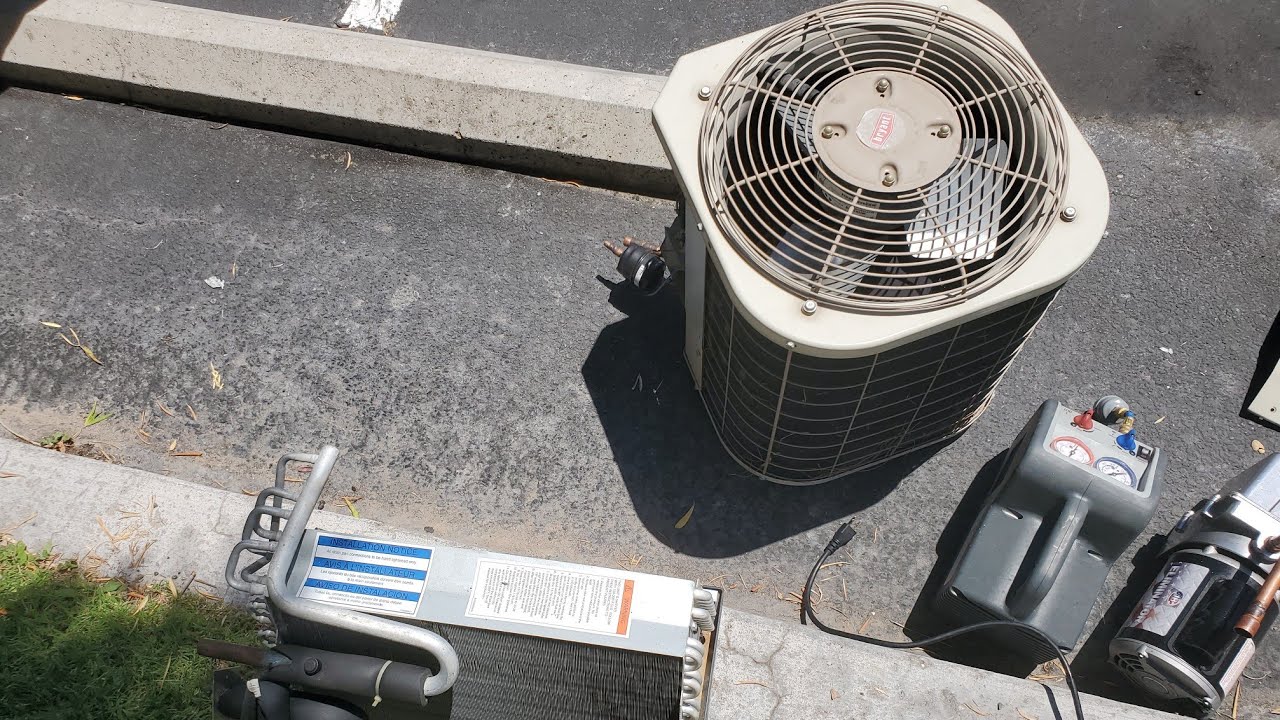
Alright, let’s talk about changing that old R22 evaporator coil to work with R410A. Now, I know folks might be looking for a quick fix, but listen up: switching these refrigerants ain’t as simple as slapping on new parts. R22 and R410A are like apples and oranges—each one’s got its own needs, pressures, and equipment requirements.
Why R410A Won't Just Work on an R22 Coil
First things first, R410A needs a higher pressure than R22. This ain’t just a small bump, it’s almost double! R22 systems, including the evaporator coil, weren’t built to handle that kind of pressure, so if you go ahead and stick R410A in there without proper parts, that coil might just blow out, and then you’re left with a costly mess.
Equipment to Replace
Now, let’s talk about what needs changing. If you’re dead set on moving to R410A, you’re looking at a few swaps:
- First, you need a new evaporator coil rated for R410A. This coil can handle the higher pressure, unlike the old R22 one.
- Next, don’t forget the TXV (Thermal Expansion Valve). It’s sized differently for R410A, which means your old R22 TXV will just mess up the flow and lead to cooling issues.
- Finally, you need a compatible condenser to keep everything running smooth.
Why Not Reuse the Old Parts?
Some folks might think they can save a few bucks by reusing parts, but let me tell ya, that’s risky business. R410A’s high efficiency comes from that high pressure, and your R22 setup just wasn’t made for it. The compressor might burn out faster, and the unit’s lifespan gets cut short. A conversion isn’t just replacing a couple of parts—it’s like rebuilding the whole system so that everything matches.
The Cost of Conversion
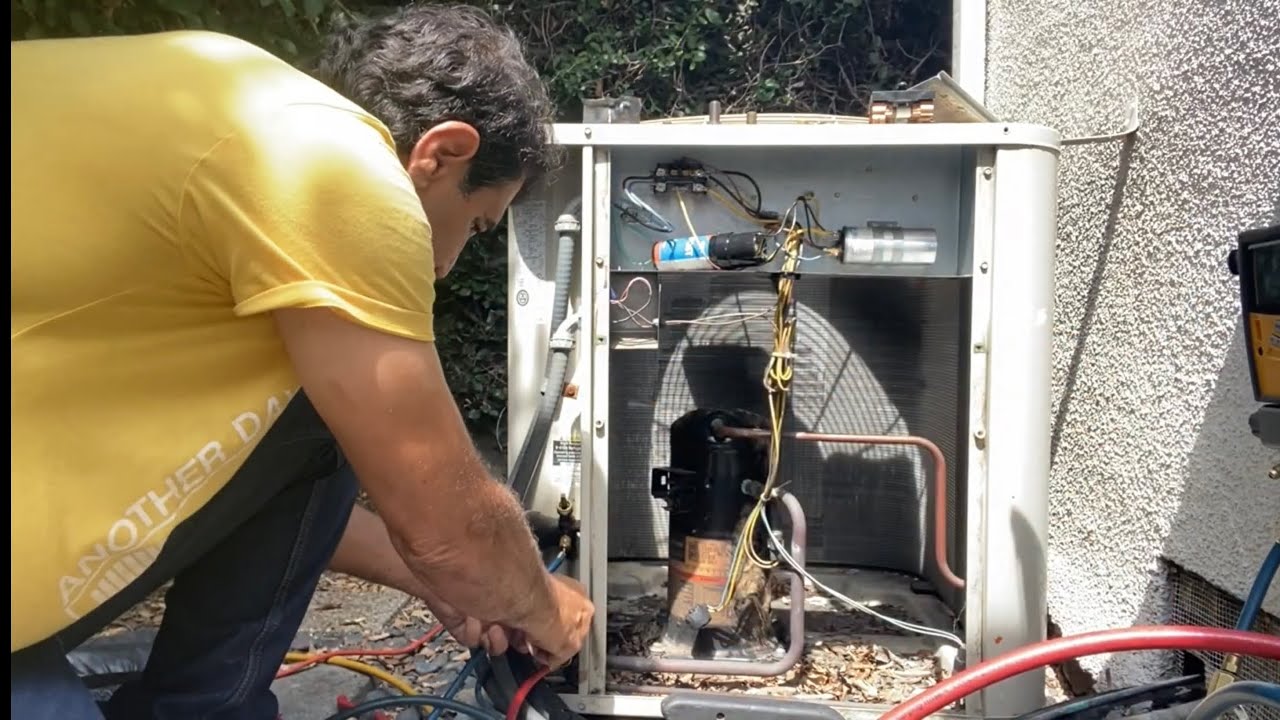
Sure, switching to R410A might seem cheaper than sticking with R22, especially now that R22 is getting phased out and prices are soaring. But let’s not get too excited. This conversion means you’ll need to budget for the new coil, the TXV, and the condenser. That’s not counting the labor. In some cases, it might even make more sense to just invest in a new R410A system altogether.
How to Start the Conversion Process
If you’re still set on converting, talk to a pro. They’ll look at your setup, calculate the pressure, and make sure every single part—from coil to condenser—is fit for R410A. This way, you avoid issues down the road and get cooling that’s both reliable and safe.
So, if you’re thinking about converting from R22 to R410A, keep these points in mind. It’s not a weekend project; it’s a full-on system overhaul. Do it right, or you might end up paying more in repairs down the line.
Tags:[R410A conversion, R22 to R410A, HVAC system upgrade, evaporator coil replacement, high-pressure refrigerant]