
Portable wastewater tank, you know, it’s like this: when you’re out on the road, camping in your RV, or at some job site where there’s no proper sewage setup, this tank comes real handy. It’s the tank where all that dirty water goes, the black water from your toilet and gray water from your sink and shower. You just hook it up to your RV or camper, and it takes all that waste so you can drive it over to the dump station later.
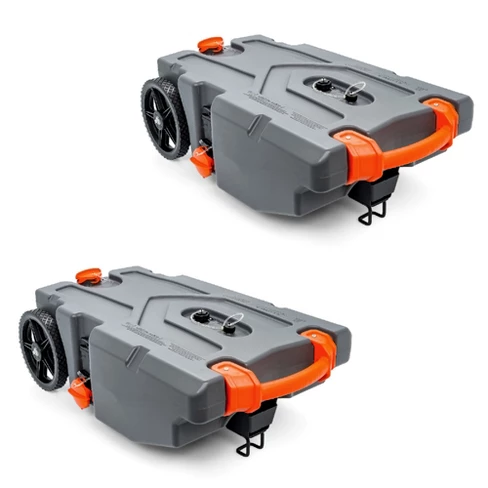
So, how does it work? Well, it’s not that fancy. All you need is a sewer hose, and you connect one end to your RV’s holding tank and the other to the portable tank. This tank, mind you, is made from sturdy stuff like plastic or sometimes fiberglass, and it’s sealed tight so nothing leaks out. Once it’s full, you just roll it over to a dump station. These tanks often come with wheels and handles, so they’re easier to pull along like a suitcase. Got some weight to them, though, once they’re full!
Steps for Emptying Your Wastewater into a Portable Tank
- First, attach your sewer hose to your RV’s black tank outlet, and the other end to the portable tank.
- Make sure the vent is open on the portable tank. This helps air flow so it empties smoothly.
- Open the black tank valve first – this is the part where all the solid waste comes out.
- Once the black tank is emptied, close it and then open the gray tank valve. This water from sinks and showers helps flush out any leftover stuff in the hose.
After you’ve dumped everything into the portable tank, it’s time to roll it to the dump station. Some folks like using a tank with a low drain hole because it makes sure all the waste comes out nice and easy without leaving anything behind. And believe me, nobody wants leftover waste sitting around in the tank! Smells bad, too.
Why Use a Portable Wastewater Tank? Well, if you’re out camping somewhere far from the facilities, this tank saves you from having to pack up your whole RV just to go empty the waste. It’s real practical, especially if you’re parked for a while. For people working at sites like construction areas or those living in mobile homes, these tanks can be a lifesaver.
Choosing the Right Size
Now, size matters here. These tanks come in all sizes, from 10 gallons up to 40 gallons or more. A 15-gallon tank, like the Barker Tote-Along, might be fine for a short trip, but if you’re staying out a while, a 20-gallon or even a 30-gallon might be better. YITAHOME, for instance, offers a big 10.6-gallon tank that’s durable and easy to tote around, good for campers who don’t have big needs. But if you’ve got a bigger RV family, maybe a Rhino 21-gallon tank will suit you better.
Maintenance Tips
- Always rinse out the tank after dumping. Leftover waste will start to smell.
- Keep the wheels and handle clean. Wastewater can get messy, and nobody wants to touch a sticky handle.
- Check for leaks often. These tanks are usually tough, but any little crack could lead to a messy situation.
Additional Accessories to Make Life Easier
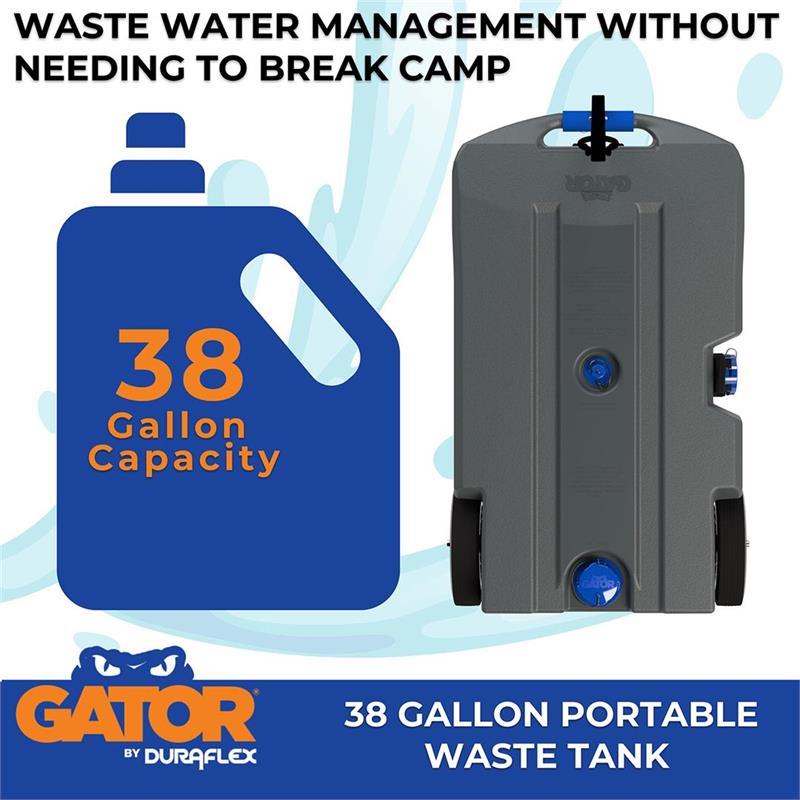
Most tanks come with their own sewer hose, but sometimes it’s handy to have an extra-long one, especially if the dump station is far from your parking spot. Some tanks, like those from Camco, also come with a clear elbow attachment so you can actually see when the waste has stopped coming out – handy for knowing when it’s all empty.
Conclusion
Portable wastewater tanks aren’t the prettiest things to talk about, but they’re mighty useful. When you’re out and about, having one of these tanks makes life a whole lot easier. You just hook it up, dump your waste in, and off you go to the dump station whenever you need to. So, for anyone spending time in an RV, or working at a site without proper plumbing, a portable wastewater tank is worth every penny!
Tags:[portable wastewater tank, RV, camping, septic tank, gray water, black water, portable waste tank, dump station]