

Water Reuse
GQHB reclaimed water treatment has low energy consumption, high recovery rate, and 30% lower operating costs than traditional processes. The unique design avoids membrane fouling and reduces membrane pollution, and increases the life of membrane elements by 50%.
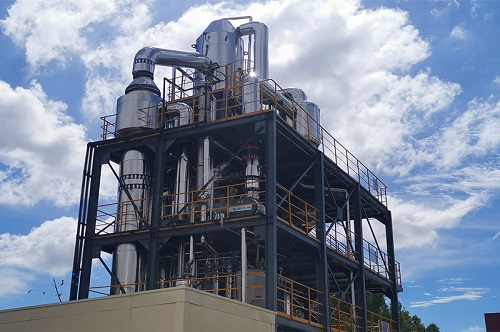
Our Evaporator is Applied in Various Fields
GQHB evaporator has mastered the core technology of low-temperature concentration, saving an average cost of 60% compared to traditional wastewater treatment. It is suitable for various industrial wastewater such as high salt wastewater, high COD wastewater, high concentration wastewater, oily wastewater, etc.
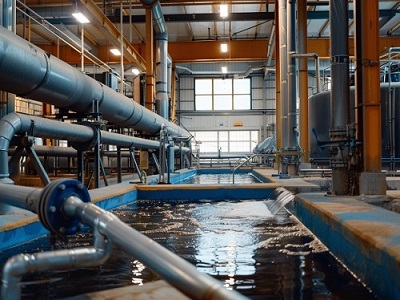
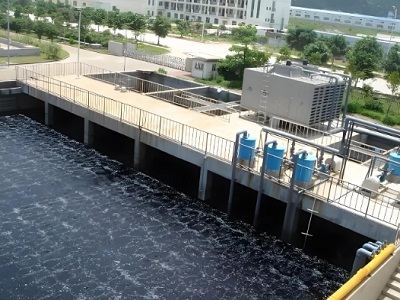
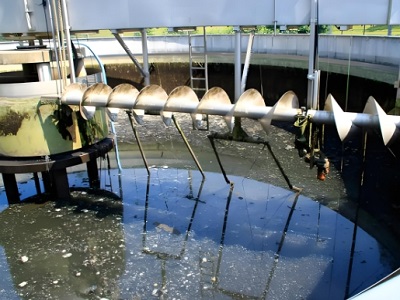
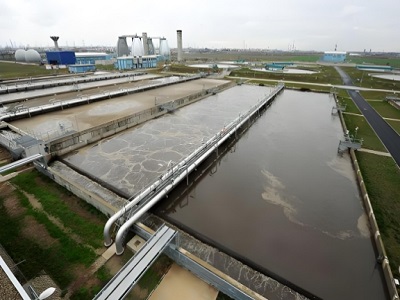
Introduction to Water Reuse
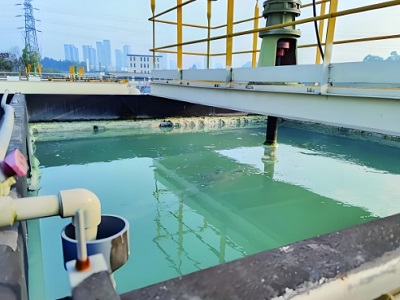
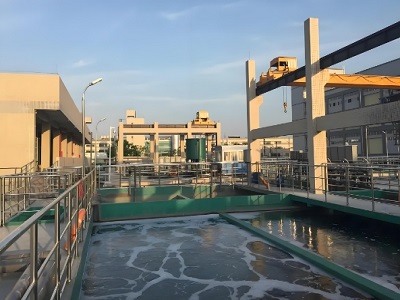
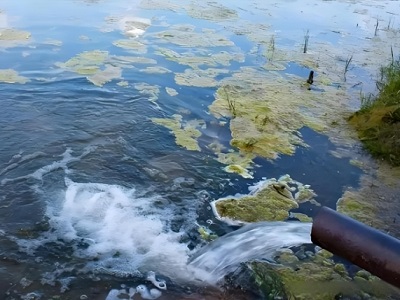
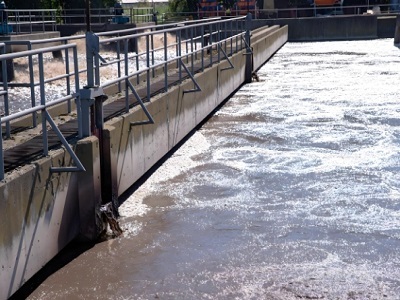
The reclaimed water reuse system is a water resource reuse equipment designed to convert domestic and industrial wastewater into reusable water sources for non-potable purposes such as toilet flushing, greening, road cleaning, and cooling water. . Reuse of reclaimed water can effectively save water and reduce wastewater discharge, which is of great significance to alleviating water shortages and protecting the environment. Reclaimed water reuse systems are widely used in residential areas, commercial buildings, industrial parks, etc. to help achieve sustainable water resources management.
Advantages of Water Reuse
- Saving water costs: By reusing treated gray water, the usage of tap water can be significantly reduced, thus saving water costs, especially suitable for places with high water consumption.
- Reduce environmental burden: The reclaimed water reuse system can effectively reduce the direct discharge of wastewater, reducing the burden on the environment and complying with the requirements of modern environmental protection and energy conservation and emission reduction policies.
- Improve greening irrigation efficiency: The treated gray water can be used for greening irrigation in communities, parks and other places to ensure the growth of plants and achieve efficient recycling of water resources.
- Easy maintenance: The system adopts a modular design, making operation and maintenance simple and convenient. It can be flexibly adjusted according to actual needs to ensure efficient operation.
- Comply with environmental standards: The equipment has passed strict environmental testing, and the effluent water quality meets the national reclaimed water reuse standards, ensuring the safety and reliability of reclaimed water.
Features of Reclaimed Water Reuse
- Water conservation and environmental protection: The reclaimed water reuse system uses multi-stage treatment technology to convert wastewater into reusable reclaimed water, significantly reducing the use of tap water and reducing wastewater discharge, which has a positive effect on water resources conservation and environmental protection.
- Automated control: The system is equipped with advanced automated control equipment, which can monitor and adjust water quality in real time, realize unattended automatic operation, simplify the operating process and reduce labor costs.
- Stable treatment effect: The reclaimed water reuse system uses multiple treatment methods such as physical, chemical and biological to ensure that the treated reclaimed water quality is stable, meets relevant national standards, and can meet a variety of non-drinking water needs.
- Flexible installation: The system has a compact structure and a small footprint. It is suitable for various site conditions, especially in urban buildings and industrial parks, and can be installed and used flexibly.
- Low operating costs: The reclaimed water reuse system adopts efficient filtration and disinfection technology, has low operating energy consumption and low maintenance costs, and is suitable for long-term use.
Treatment Process of Reclaimed Water Reuse System
- Pretreatment: The sewage passes through pretreatment units such as grilles or grit tanks to remove large particle impurities and suspended solids and reduce the subsequent treatment load.
- Biological treatment: Degrade organic substances in water through biological treatment units (such as activated sludge method or biofilm method) to reduce pollution indicators such as COD and BOD.
- Advanced treatment: Use sand filtration, activated carbon filtration or membrane separation technology to further remove suspended particles, color and microorganisms in the water to improve the quality of the effluent.
- Disinfection treatment: Use ultraviolet, ozone or chlorine disinfection technology to kill bacteria and viruses in the water, ensuring that the treated reclaimed water is safe and can be reused for non-drinking purposes.