

Single Effect Evaporator
A single effect evaporator is an evaporation device characterized by the fact that when a solution evaporates in the evaporator, the secondary steam generated is no longer utilized, and the solution is no longer passed through the second evaporator for concentration, that is, only one evaporator is used to complete the evaporation operation. This type of evaporator equipment is simple, relatively easy to operate, and requires less equipment investment, but its production capacity is relatively small. It is generally suitable for situations where the production capacity is small, the materials are corrosive, and expensive structural materials are needed or the steam is contaminated and cannot be reused. It is suitable for small-scale or intermittent production. If you are interested in our single effect evaporator or have any questions about the evaporator, we welcome you to consult at any time.
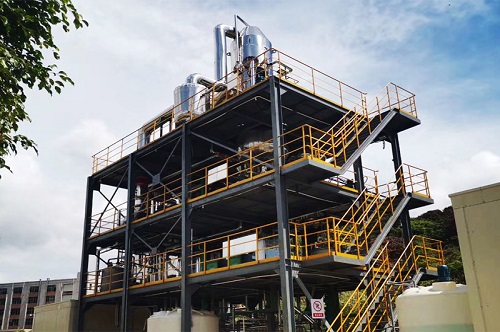
Our Evaporator is Applied in Various Fields
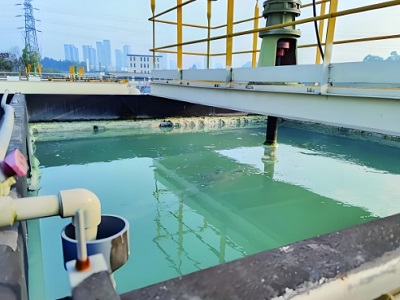
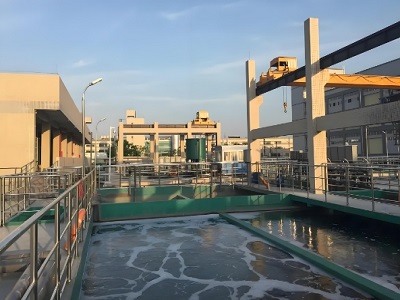
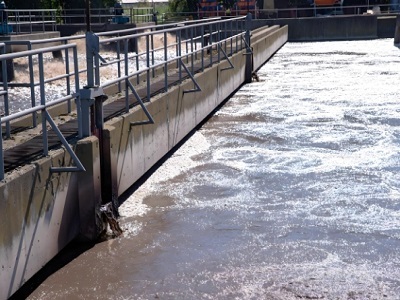
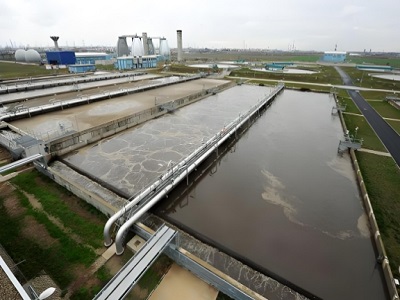
GQHB evaporator has mastered the core technology of low-temperature concentration, saving an average cost of 60% compared to traditional wastewater treatment. It is suitable for various industrial wastewater such as high salt wastewater, high COD wastewater, high concentration wastewater, oily wastewater, etc.
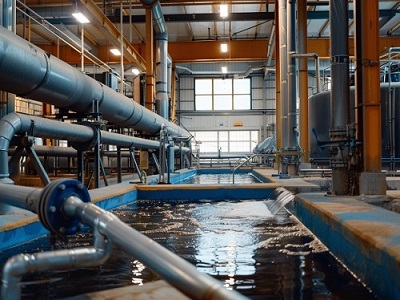
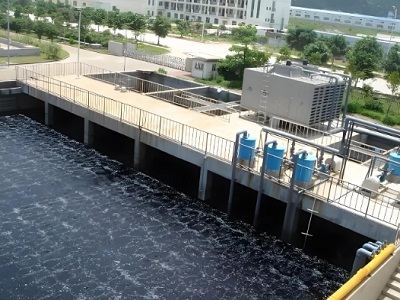
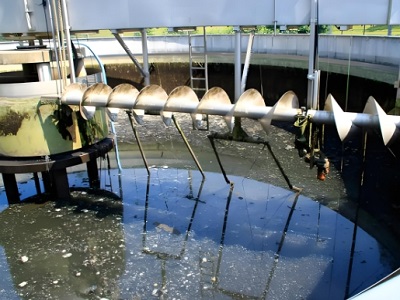

Introduction to Single Effect Evaporator
When a solution evaporates in an evaporator and the secondary vapor produced is no longer utilized, this evaporation operation is called single effect evaporation. An evaporator that uses a single effect evaporation method is called a single effect evaporator. When the required production capacity is small, steam is cheap, materials are corrosive and require very expensive structural materials, or steam is contaminated and cannot be reused, a single effect evaporator should be used.
Single effect evaporators can be operated intermittently, semi intermittently, continuously in batches, or continuously. Strictly speaking, the intermittent evaporator involves a step-by-step process of feeding, evaporation, and discharge. This operation method is rarely used because it requires a sufficiently large shell to accommodate all the materials fed, and the heating element is placed quite low so that it cannot be exposed when the volume is reduced to the volume of the product. The more common operating method is semi intermittent, where the feed is continuously added to maintain a fixed liquid level until the entire charge reaches its final density. Continuous batch evaporators typically have continuous feed and continuous discharge over at least a portion of the cycle range. One method of operation is to circulate from the storage tank to the evaporator, and then return to the original position until the entire storage tank reaches the desired concentration, thus completing the processing in batches. Continuous evaporators basically feed and discharge continuously, with the concentration of feed and product remaining largely unchanged.
Advantages of Single Effect Evaporator
- Compact structure and small station area. The precision polishing inside and outside the equipment meets GMP requirements.
- The equipment mainly consists of a heater, separator, defoamer, condenser, etc.
- Adopting vacuum pressure reduction operation, the evaporation temperature is low and the speed is fast, and the configuration of each instrument valve is reasonable and convenient for operation.
Product Advantages of Single Effect Evaporator
- Flexible operation: The single effect evaporator is easy to operate and suitable for intermittent production situations. It can be quickly started and stopped to meet production needs.
- Cost effectiveness: The equipment investment cost is low, the maintenance cost is small, and it is suitable for small-scale and low output production lines.
- Suitable for handling heat sensitive materials: With short evaporation time, it is suitable for handling temperature sensitive materials, reducing quality loss caused by prolonged heating.
- Strong applicability: It can handle various materials, such as high water content solutions in food, pharmaceuticals, and chemical industries, with a wide range of applications.
- Easy maintenance: The equipment structure is simple, with low daily maintenance requirements, saving operation and maintenance costs.
Working Principle of Single Effect Evaporator
- Heating evaporation: The solution to be processed enters the evaporator and is heated to boiling point by steam, causing water or solvent to evaporate.
- Steam condensation: The steam generated by evaporation is cooled by a condensation system and condensed into a liquid, thereby achieving the separation of moisture and solutes.
- Concentrated recovery: The concentration of the evaporated solution gradually increases, and the concentrated material is discharged from the evaporator for subsequent processing or recovery.