
What’s This Basic Wastewater Operations Course About?
Now, let me tell ya, this Basic Wastewater Operations Course is a thing designed for folks wantin’ to work with wastewater, you know, the used-up water we got comin’ from homes, factories, you name it. They take that dirty water, give it a good clean-up, so it can go back out into rivers or even be used for irrigation. This here course is all about learnin’ how that cleanup happens, step by step.
Why Take This Course?
Well, if ya ever wondered what it takes to make that wastewater safe again, this here course is a must. People need to learn these skills if they wanna work in wastewater treatment plants or operate those fancy systems. It's like learnin' to bake bread from scratch but for water cleanin'. You gotta know all sorts of steps and tricks to make sure the water’s good and safe before it goes back to where it belongs. A lotta places even say you need to finish a 60-hour course just to get started with the basics.
What You’ll Learn in the Course
Now, what’s in this course, you ask? Let me break it down a bit:
- Screenin’ and Grit Removal: First thing first, you gotta catch the big stuff like rocks, sticks, and grit, so it don’t clog up the system. They call this “screenin’” and it’s the very start of the whole deal.
- Sedimentation: After you got rid of the big stuff, you need to let the smaller solids settle. They call it “sedimentation” — just let it all settle down nice and easy.
- Flow Equalization: This part keeps the water movin’ steady-like through the treatment process so it’s not all rushin’ through at once.
And that’s just the start of it, folks! There's more to it, like biological treatments where you use good bacteria to clean up what’s left over. It's kinda like a second round of cleanin’ after the big chunks are gone. They call that “secondary treatment.” This part’s real important to make sure the water is safe for puttin’ back into the rivers or reusing in fields and such.
How Do You Pass the Course?
Now, they ain’t gonna just let you walk in and out with no testin’! They got ya doin' hands-on stuff, and you’ll need to pass a test or two, that’s for sure. You gotta show a photo ID when you show up on day one, and they’ll tell ya exactly what kind of ID they’ll accept. That way, they know it’s you there takin' the course.
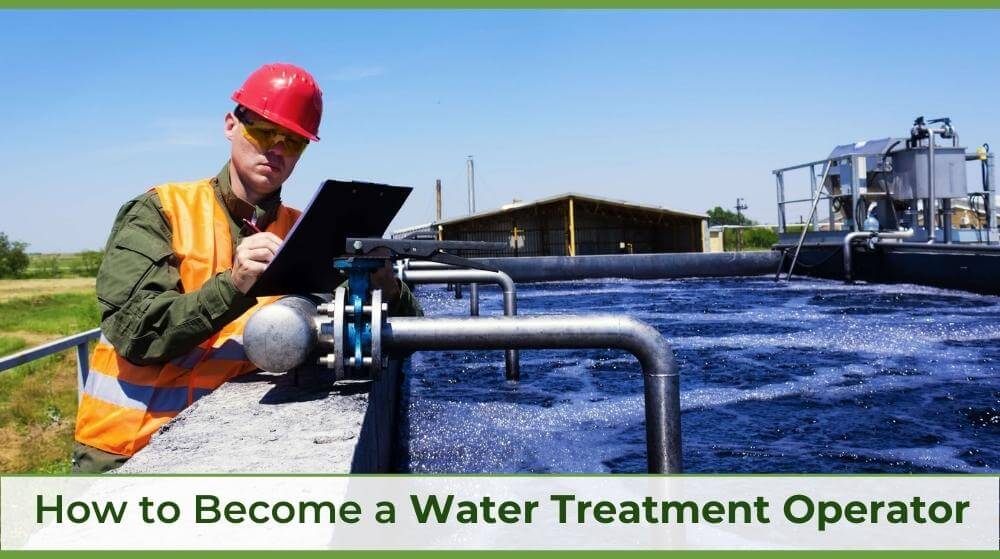
Also, it ain't just sittin' and listenin'. You get to try out some lab work, like mixin’ chemicals or learnin’ how to handle glassware right — stuff you need to know if you’re workin' in a wastewater lab. That’s a big part of it, ‘cause there’s a lotta safety you gotta know too.
Where Can You Take the Course?
These kinds of courses are taught all over. Some folks go to special trainin' centers like the ones at certain colleges, so they get the learnin’ in a good place with real equipment. These places make sure you get the best lessons and practice, especially if you’re aiming to get a job right after. Some people even head to places like SUNY Morrisville or other local spots where they got environmental programs. These programs are built just right for learnin’ wastewater treatment.
What Comes After the Course?
So, once you’ve learned all this and done your lab work, what happens next? Well, if you pass, you get what’s called a certificate, which means you know how to handle the basics of wastewater treatment. With that, you can look for jobs where they treat water, like at wastewater plants or treatment facilities. Some folks use this course as a step to more learnin', too. After all, cleanin’ up water ain’t a one-step thing, so you might need more courses if you’re lookin’ to get higher certifications down the road.
And that’s about it, folks! This Basic Wastewater Operations Course is a good way to get your foot in the door if ya got an interest in water work. It’s hands-on, it’s informative, and it’s designed for folks who wanna do their part in makin' our water safe and clean. Just make sure to bring your ID and be ready to work hard!
Tags:Basic Wastewater Operations Course, Wastewater Treatment, Screening and Grit Removal, Primary Treatment, Secondary Treatment, Wastewater Lab Safety, Wastewater Training